
Planting Trays in Kenya
Planting Trays in Kenya
Looking for durable, affordable planting trays in Kenya? Discover how Namani Irrigation Ltd helps farmers boost germination rates and save money. Call 0797316959 today.
For years, most small-scale farmers in Kenya started their seeds the old way: broadcasting in open soil beds. While that method is cheap, it comes with huge losses—wasted seeds, weak roots, and transplant shock.
But there’s a better, more professional way that even a farmer with a quarter-acre can afford.
Enter planting trays (also called seedling trays or germination trays). These simple plastic tools have transformed nurseries across Kiambu, Meru, Nakuru, and even urban farms in Nairobi. And when you buy quality planting trays in Kenya from Namani Irrigation Ltd in Utawala, you get both affordability and durability.
 What Exactly Are Planting Trays?
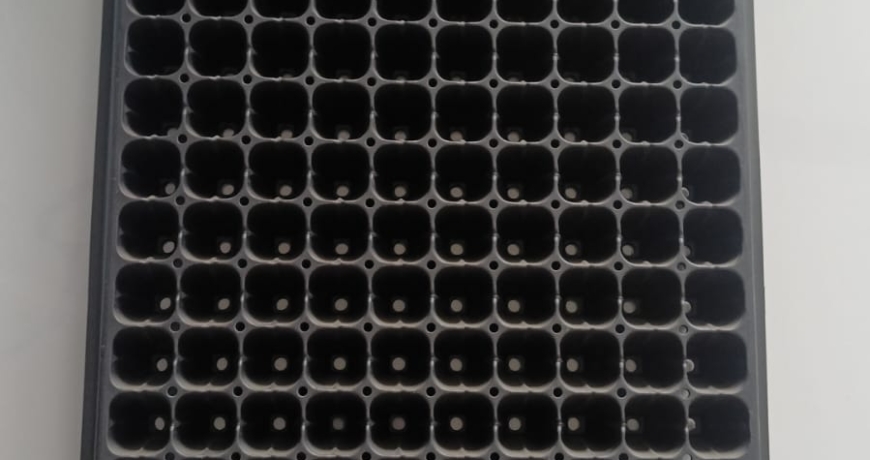
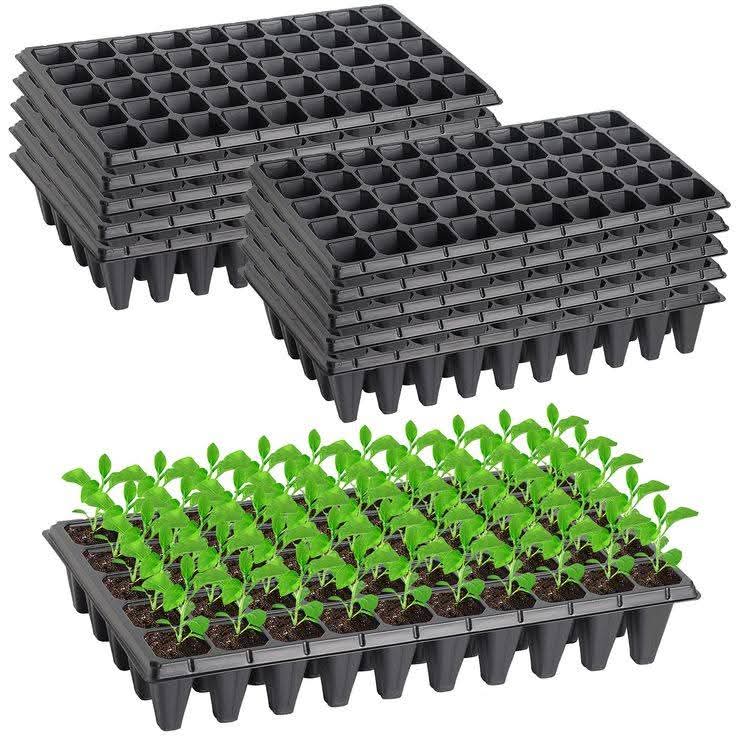
A planting tray is a molded plastic sheet with multiple uniform cells or cavities. Each cell holds one seed and a small amount of growing medium (coco peat, potting mix, or compost). The tray sits inside a nursery, greenhouse, or shadenet, and seedlings grow in their own individual pockets until transplanting.
The most common tray sizes in Kenya are:
-
72-cell trays (great for tomatoes, peppers, cabbages)
-
100-cell trays (ideal for onions, kales, spinach)
-
128-cell trays (for small seeds like lettuce and herbs)
Why Every Kenyan Farmer Needs Planting Trays
Still broadcasting seeds in bare soil? Here’s why you’re leaving money on the table.
1. Up to 95% Germination Rate
With planting trays, every seed sits in its own protected environment. You control the moisture, and there’s no competition from weeds or soil-borne fungi. Many farmers who switch from open beds see germination jump from 60% to over 90%.
2. No Root Damage at Transplanting
When you lift a seedling from an open bed, you inevitably tear roots. That sets the plant back by days or even weeks. With a planting tray, you simply push the root plug out from below. The root ball stays intact, and the seedling never wilts. This is called zero-transplant shock, and it means faster growth and earlier harvests.
3. Massive Seed Savings
Because you plant one seed per cell instead of scattering hundreds, you waste almost nothing. Expensive hybrid tomato seeds (up to Ksh 50 per seed) become affordable when every single one becomes a healthy seedling.
4. Uniform, Strong Seedlings
Plants grown in trays are stockier and more uniform in size. That means you can transplant an entire batch at once, and all your crops mature together—perfect for market timing.
Low Cost Doesn’t Mean Low Quality
One common fear among Kenyan farmers is that good planting trays are expensive. That’s a myth. Namani Irrigation Ltd specializes in cost-effective planting trays in Kenya that are:
-
Made from food-grade, UV-stabilized plastic – they won’t crack under our sun.
-
Reusable for 5–8 seasons with proper care.
-
Drainage-designed – each cell has a hole at the bottom to prevent waterlogging.
Prices for high-quality planting trays in Kenya range from Ksh 140 to Ksh 200 per tray depending on cell count and thickness. When you calculate that one tray can produce up to 128 seedlings repeatedly for two years, the cost per seedling drops below Ksh 0.10.
Where to Buy Planting Trays in Kenya
If you’re in Nairobi, the best place is Utawala. Specifically, Namani Irrigation Ltd has become a trusted name for farmers across the country. They stock a wide range of trays, from 32-cell extra-large trays for tree seedlings to 200-cell micro trays for onions.
Why farmers choose Namani Irrigation Ltd:
-
Transparent pricing – No hidden costs or overcharging.
-
Bulk discounts – Buy 50+ trays and save 15–20%.
-
Free farming advice – Their team explains how to fill, water, and sterilize trays between cycles.
-
Delivery nationwide – From Mombasa to Kisumu.
Step-by-Step: Using Planting Trays Like a Pro
-
Sterilize the tray – Wash with a mild bleach solution (one part bleach to ten parts water) to kill any lingering fungi.
-
Fill with medium – Use coco peat or fine sieved compost. Do not use heavy soil.
-
Make a tiny hole – About twice the depth of the seed size.
-
Drop one seed per cell – This is the golden rule.
-
Cover lightly – Then mist with a spray bottle (don’t pour water).
-
Keep under shade – Place trays inside a shadenet or greenhouse for the first week.
-
Harden off – Expose to morning sun for 3–5 days before transplanting.
Real Farmer Success Story
Joseph M., a tomato farmer in Kitengela, used to lose half his hybrid seedlings to damping-off disease in his open nursery. After visiting us , he bought 40 planting trays and a small roll of soilless medium.
“In my first cycle, I got 2,800 healthy tomato seedlings from just 40 trays,” Joseph says. “I transplanted them without losing a single plant. Now I have four cycles per season. I honestly wish I had discovered planting trays years ago.”
Combine Planting Trays with Other Smart Farming Tools
For best results, use planting trays together with:
-
Shadenets – Protects young seedlings from harsh sun.
-
Drip irrigation – Delivers water directly to each cell without disturbing seeds.
-
Greenhouses – Allows year-round nursery production.
Cleaning and Storing Trays for Reuse
After transplanting, don’t throw away your trays. Here’s how to make them last:
-
Remove all leftover roots and media.
-
Soak in warm soapy water for an hour.
-
Scrub lightly with a brush.
-
Rinse and dry in the sun (UV rays kill remaining pathogens).
-
Stack neatly in a dry, shaded place.
A well-maintained tray from Namani Irrigation Ltd can serve you for 10 seasons or more.
Contact Namani Irrigation Ltd today.
Call / WhatsApp: 0797316959
Visit our website
Facebook: Namani Irrigation Ltd
Instagram: @namani_irrigation
TikTok: @namaniirrigation
WhatsApp Business: 0797316959
There are no comments


