Capsicum Farming in a Greenhouse in Kenya
Capsicum Farming in a Greenhouse in Kenya
While open-field cultivation is common, greenhouse capsicum farming is the secret weapon of savvy agribusinesses aiming for maximum yield, quality, and year-round profit. This comprehensive guide explores why and how you can succeed in this promising venture.
Why Choose Greenhouse Farming for Capsicum?
Capsicum is a delicate crop susceptible to pests, diseases, and extreme weather fluctuations. A greenhouse provides a controlled environment that mitigates these challenges, offering distinct advantages:
-
Pest and Disease Control: The physical barrier of the greenhouse net significantly reduces the invasion of destructive pests like aphids, thrips, and whiteflies, as well as the spread of soil-borne diseases.
-
Climate Control: You can regulate temperature, humidity, and light intensity, creating the optimal conditions for capsicum growth regardless of the season outside. This allows for year-round production.
-
Higher Yields and Quality: Protected from stressors, capsicum plants produce more fruits that are larger, uniform, and of export-quality standard. Yields can be 4-5 times higher than in open fields.
-
Efficient Use of Inputs: Water and fertilizers are used more efficiently within a controlled environment, reducing waste and operational costs.
-
Extended Growing Season: You are not at the mercy of Kenya’s sometimes unpredictable rainfall patterns, enabling consistent production and supply to the market.
Key Steps to Successful Greenhouse Capsicum Farming
. Selecting the Right Greenhouse and Location
The choice of greenhouse is critical. A structure with a tall roof (at least 5m at the gutter) is ideal for capsicum, as it allows for better air circulation and heat dissipation.
. Variety Selection
Choosing the right variety is the first step toward success. Popular and high-performing hybrid varieties for Kenyan greenhouses include:
-
California Wonder: A reliable, blocky green variety that turns red at maturity.
-
Yolo Wonder: Known for its thick walls and excellent yield.
-
Colored Varieties (Red, Yellow, Orange): These often fetch a higher market price due to their sweetness and visual appeal. Examples include Lambo and Aristotle.
. The Lifeline of Cultivation: Precision Irrigation and Fertigation
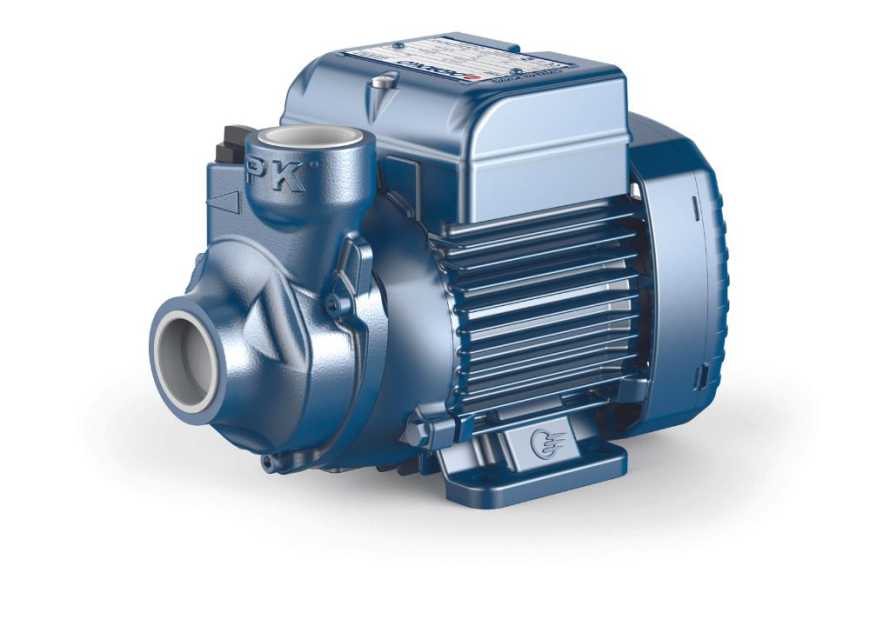
This is where the real magic happens. Capsicum plants are heavy feeders and require a consistent and precise supply of water and nutrients. Drip irrigation is not just an option; it is an absolute necessity for profitable greenhouse capsicum farming.
A well-designed drip system, delivers water and soluble fertilizers (fertigation) directly to the root zone of each plant. This method:
-
Maximizes Water Efficiency: Saves up to 70% water compared to overhead irrigation.
-
Optimizes Nutrient Uptake: Provides nutrients in the exact quantities and ratios the plants need at different growth stages.
-
Maintains a Dry Foliage: This is crucial in preventing the onset and spread of fungal diseases like powdery mildew and botrytis, which thrive in humid conditions.
-
Saves Time and Labour: Automation allows for efficient management of large greenhouse structures.
. Crop Management
-
Nursery Establishment: Use sterilized seedling trays and a clean growing medium like cocopeat to raise healthy, disease-free seedlings for 4-5 weeks before transplanting.
-
Spacing: Adopt a double-row spacing system. A common spacing is 30cm between plants and 45cm between rows, with a 1m path between pairs of rows.
-
Training and Pruning: Capsicum plants need support. Use strings to train them vertically (staking). Regular pruning of unnecessary suckers and leaves improves air circulation, directs energy to fruit production, and makes harvesting easier.
-
Pollination: While capsicums can self-pollinate, gently shaking the support strings during the flowering period (usually around midday) helps enhance fruit set and development.
. Pest and Disease Management (IPM)
Even in a greenhouse, vigilance is key. Implement an Integrated Pest Management (IPM) strategy:
-
Prevention: Use insect-proof netting, maintain hygiene, and control entry into the greenhouse.
-
Monitoring: Regularly scout for early signs of pests or diseases.
-
Control: Use biological controls (e.g., beneficial insects like parasitic wasps for aphids) as a first line of defense. If necessary, apply recommended pesticides carefully and selectively, always following the pre-harvest interval (PHI) guidelines.
. Harvesting and Post-Harvest Handling
Capsicums are harvested at different stages depending on the market. Green varieties are harvested when firm and fully sized, while colored varieties are picked at their full color stage (red, yellow, or orange). Harvest by carefully cutting the stem with a sharp knife or secateurs, leaving a short piece of stalk attached to the fruit. Handle the fruits gently to avoid bruising. Proper grading, packaging in ventilated crates, and cool storage are essential to maintain freshness and fetch the best market price.
Greenhouse capsicum farming represents the pinnacle of modern, high-tech agriculture in Kenya. It is an investment that, when managed correctly, delivers exceptional returns.
For more daily insights, expert tips, and live demonstrations, follow us on social media!
Visit Our Website
Location: Utawala, Kenya
Call Us: 0797316959
There are no comments