
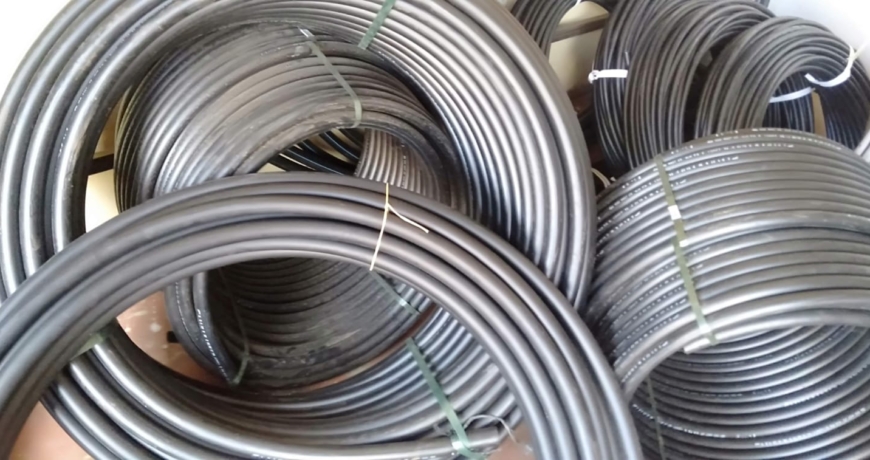
HDPE Pipes for Drip Irrigation in Kenya
HDPE Pipes for Drip Irrigation in Kenya
Choosing the right HDPE pipes for your drip irrigation system in Kenya. Kenyan farmers have embraced drip irrigation as a game-changing technology. It delivers water directly to the roots of plants. But while emitters and drippers often get the spotlight, the true backbone of any robust drip system is something far more fundamental: the HDPE pipes.
What Are HDPE Pipes?
HDPE stands for High-Density Polyethylene. It’s a specific type of plastic known for its high strength-to-density ratio. In simpler terms, it’s incredibly durable, flexible, and resistant to impact and chemicals. Unlike other plastics, HDPE pipes are manufactured to be tough enough to handle the demanding conditions of Kenyan.
Why HDPE Pipes are Best Choice
When you’re investing in an irrigation system, you need components that offer reliability and value. Here’s why HDPE pipes consistently outperform alternatives like PVC or LDPE:
. Exceptional Durability and Longevity
They are highly resistant to:
-
-
-
Abrasion: They can withstand friction from soil and rocks without wearing thin.
-
Impact: They won’t crack or break if accidentally hit by tools or machinery, a common occurrence on a busy farm.
-
Chemicals: They are impervious to the fertilizers and chemicals commonly used in agriculture (fertigation), preventing corrosion and degradation from the inside out.
-
-
. Flexibility and Ease of Installation
One of the biggest advantages of HDPE pipes for drip irrigation is their flexibility. They come in long coils, which means:
-
-
-
Fewer Joints: You can lay long stretches without needing numerous connectors, significantly reducing the potential points for leaks.
-
Easy Terrain Handling: They can easily be laid over undulating or uneven ground without the need for complex trenching or extra fittings.
-
Faster Installation: Their lightweight and coil format make them much quicker and easier to install
-
. Superior Resistance to UV Radiation
Quality HDPE pipes are compounded with carbon black, which provides excellent UV stability. -
. Leak-Free and Corrosion-Resistant
. Cost-Effective
Their incredible durability means you won’t be replacing them every few seasons. Reduced leakage saves money on water bills, and their ease of installation cuts down on labour costs.
-
-
Considerations When Choosing HDPE Pipes
-
-
-
Pressure Rating (PN): This indicates the maximum pressure the pipe can handle continuously. Common ratings are PN6, PN8, PN10, and PN16. For most drip irrigation mainlines and sub-mains, PN6 or PN8 is sufficient. Ensure your supplier guides you on the right pressure rating for your system’s design.
-
Diameter (mm): HDPE pipes come in various diameters. A larger diameter mainline is needed for big farms to minimise pressure loss.
-
Quality of Material: Always insist on virgin-grade HDPE material. Some cheap imports use recycled plastic, which compromises the pipe’s strength and UV resistance. Quality pipes will have a smooth interior and exterior and be uniformly black.
-
-
Why Choose Us
-
-
-
Quality Guarantee: We stock only high-grade, UV-stabilized HDPE pipes from reputable manufacturers, ensuring you get a product that lasts.
-
Expert Advice: Unsure about the right diameter or pressure rating? Our technical team is on hand to provide expert guidance based on your farm’s specific layout and water requirements.
-
Complete System Support: We don’t just sell pipes; we provide all the necessary fittings, filters, pumps, and driplines to complete your entire drip irrigation kit in Kenya.
-
Competitive Pricing: By dealing directly with trusted sources, we offer some of the best value for money on quality HDPE pipes in the region.
-
-
-
-
-
Visit Our Store: Come to our location in Utawala Nairobi
-
Call/WhatsApp: 0797316959
-
Visit our website .
-
-


I would like to replace my cracked drip lines with your HDPE resistant pipes.
Please quote for 2acres.
Hellon contact us on Whatsapp 0797316959