
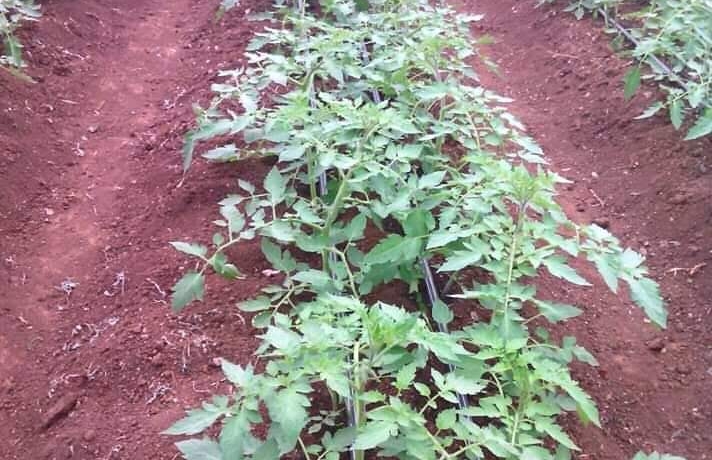
Tomato Farming in Kenya
Tomato Farming in Kenya
Tomato farming in Kenya is more than just an agricultural activity; it’s a vital economic engine and a staple in the diets of millions. As one of the most valuable and widely cultivated horticultural crops, tomatoes offer significant income potential for smallholder farmers and large-scale agribusinesses alike. Why Tomato Farming is a Goldmine in Kenya.
Key Steps for Successful Tomato Cultivation
-
Variety Selection: Your success starts with choosing the right seed. Popular and high-yielding hybrid varieties in Kenya include Rio Grande, Kilele F1, Anna F1, Tylka F1, and Mavuno F1. These varieties are prized for their disease resistance, high fruit quality, tolerance to transportation, and long shelf life.
-
Land Preparation and Planting: Tomatoes thrive in well-drained loamy soils with a pH of 6.0-6.8. Proper land preparation involves deep ploughing and harrowing to create a fine tilth. Raised beds are highly recommended to improve drainage and prevent waterlogging.
-
The Game Changer: Efficient Irrigation
Consistent water supply is the most critical factor in tomato farming. Erratic rainfall patterns make reliance on rain-fed agriculture a huge risk. This is where modern irrigation systems become indispensable. -
Drip irrigation is the gold standard for tomato production. It delivers water and dissolved fertilizers directly to the base of each plant. This method:
-
Saves Water: Reduces water usage by up to 60% compared to flood irrigation.
-
Controls Diseases: Keeps foliage dry, drastically reducing the incidence of fungal diseases like blight.
-
Improves Efficiency: Allows for the precise application of water and fertigation (liquid fertilizers), leading to higher yields and better quality fruits.
-
Fertilizer Application: Conduct a soil test to determine nutrient deficiencies.
-
-
Pest and Disease Management: Common threats include Tuta absoluta, whiteflies, aphids, bacterial wilt, and late blight. Embrace an Integrated Pest Management (IPM) approach: use disease-resistant seeds, practice crop rotation, install sticky traps, and apply approved pesticides and fungicides only as a last resort and strictly as directed.
Connect with Us for Modern Farming Solutions
Location; Utawala
Phone: 0797316959
There are no comments


