Mulching + Drip Irrigation in Kenya
Mulching + Drip Irrigation: The Ultimate Water-Saving Power Couple for Kenyan Gardens & Farms
Are you watching your water bills skyrocket while your crops still struggle in Kenya’s increasingly unpredictable climate? You’re not alone. In fact, thousands of Kenyan farmers and gardeners are losing money, time, and precious harvests to inefficient watering methods that waste water and leave plants stressed. However, there’s a proven, modern solution that’s transforming agricultural productivity across Kenya: combining professional drip irrigation in Kenya with strategic mulching.
Specifically, this powerful duo slashes water consumption by up to 70%, protects your soil, and dramatically improves crop yields—whether you’re managing a commercial farm in Nakuru, a greenhouse in Kiambu, or a backyard garden in Nairobi. At Namani Irrigation, Kenya’s trusted leader in irrigation supplies Kenya and water-saving irrigation technology, we’ve helped hundreds of growers unlock this game-changing system.
Ready to stop wasting water and start growing smarter? Call or WhatsApp us at 0797316959 today for a free consultation and discover how our expert-designed agricultural irrigation systems can transform your farm or garden.
The Water Crisis Facing Kenyan Growers
Kenya’s agricultural sector faces a perfect storm of challenges. Currently, erratic rainfall patterns, extended dry seasons, and rising temperatures are making traditional irrigation methods increasingly unreliable and expensive. Meanwhile, water costs continue to climb, and competition for this precious resource intensifies.
Unfortunately, for the average Kenyan farmer or gardener using overhead sprinklers or flood irrigation, up to 50% of applied water never reaches plant roots. Instead, it evaporates under our hot sun, runs off compacted soil, or soaks deep below the root zone where it’s useless. Consequently, this isn’t just wasteful—it’s economically devastating and environmentally unsustainable.
The good news? You don’t need to accept these losses as inevitable. Fortunately, modern irrigation science has given us two remarkably effective tools that, when combined, create an almost unbeatable system for water efficiency and crop performance.
Understanding Drip Irrigation: Precision Watering at Its Finest
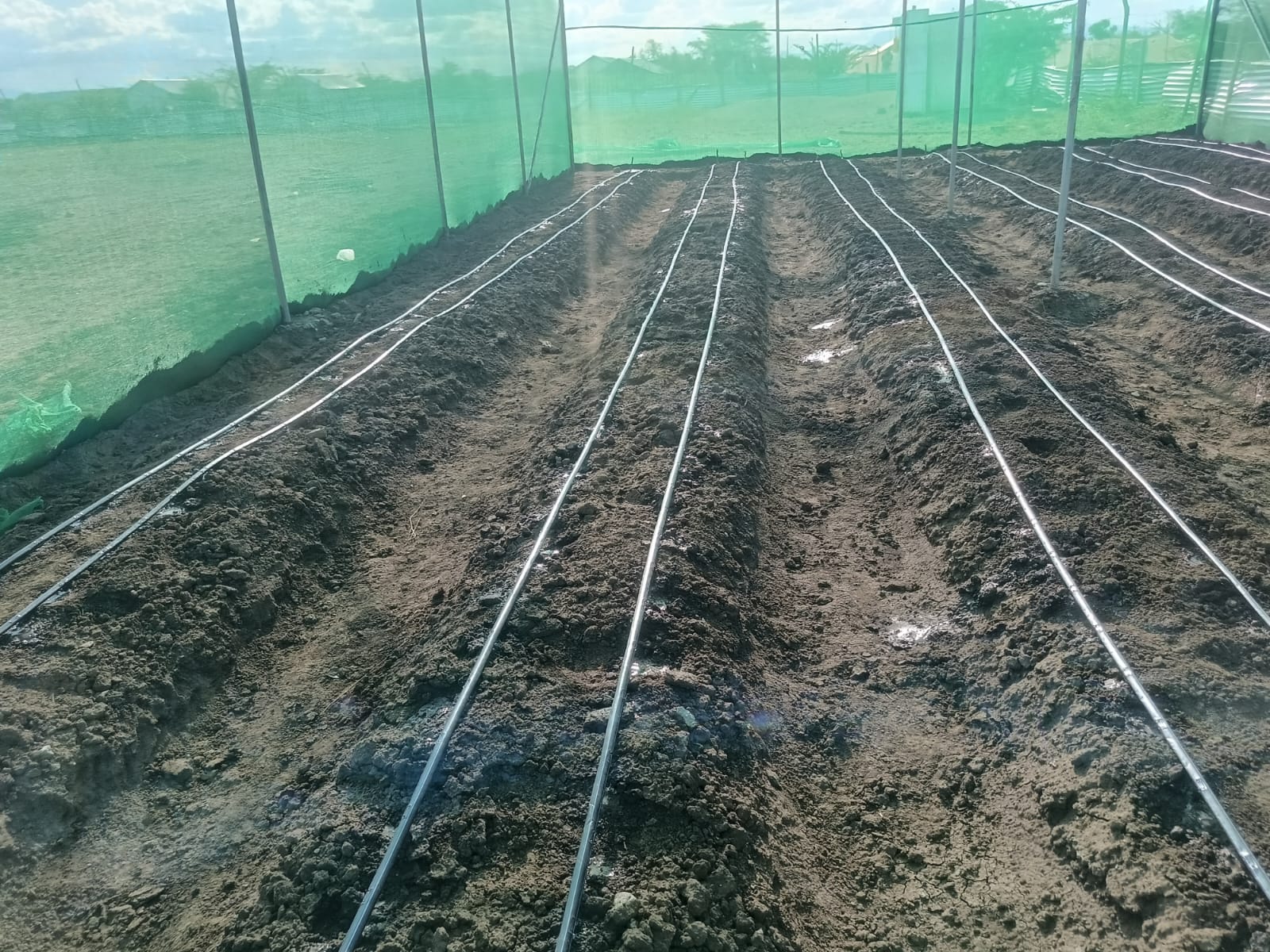
Drip irrigation represents a quantum leap from traditional watering methods. Essentially, instead of spraying water into the air or flooding entire fields, drip systems deliver water directly to the root zone of each plant through a network of tubes, pipes, and emitters.
The Core Benefits of Drip Irrigation Systems
Dramatic Water Savings: First and foremost, drip irrigation reduces water consumption by 40-70% compared to conventional methods. Furthermore, every drop goes where it’s needed—to your plants’ roots—rather than evaporating or watering weeds between rows.
Targeted, Consistent Moisture: Additionally, plants receive steady, measured amounts of water throughout the day or week. As a result, this eliminates the stress cycles of “flood and drought” that weaken plants and reduce yields. Ultimately, your tomatoes, cabbages, flowers, or fruit trees get exactly what they need, when they need it.
Disease Prevention: Moreover, because drip irrigation keeps water off leaves and stems, it dramatically reduces fungal diseases, bacterial infections, and pest problems that thrive in moist foliage. Therefore, this means fewer crop losses and reduced spending on pesticides.
Fertilizer Efficiency: In addition, modern drip systems allow fertigation—delivering dissolved nutrients directly through the irrigation water. Consequently, this precision feeding ensures nutrients reach roots efficiently, reducing fertilizer waste and costs by up to 30%.
Labor and Energy Savings: Similarly, once installed, drip systems can be automated with timers or controllers, freeing you from hours of manual watering. Also, pump requirements are lower because drip systems operate at lower pressure than sprinklers.
Adaptable to Any Scale: Indeed, whether you’re irrigating ten potted herbs on your balcony or fifty acres of greenhouse vegetables, drip irrigation scales perfectly. At Namani Irrigation, we design systems for every size and type of operation across Kenya.
The Power of Mulching: Nature’s Water-Saving Shield
While drip irrigation optimizes water delivery, mulching optimizes water retention. Simply put, mulch is a protective layer of material spread over the soil surface around plants. Notably, this ancient practice, refined by modern agricultural science, delivers remarkable benefits.
Why Mulching Is Essential for Kenyan Growing Conditions
Moisture Retention: Without question, this is mulch’s superpower. In fact, a good mulch layer reduces soil evaporation by 50-70%. Significantly, in Kenya’s hot, dry conditions, this means the water delivered by your drip system stays in the root zone far longer, reducing irrigation frequency and water needs.
Temperature Regulation: Furthermore, bare soil in direct Kenyan sunlight can reach scorching temperatures that stress roots and kill beneficial soil organisms. In contrast, mulch insulates the soil, keeping it cooler in hot weather and warmer during cool nights. As a result, this creates ideal conditions for root growth and microbial activity.
Weed Suppression: Similarly, weeds are water thieves, competing with your crops for every drop. However, a thick mulch layer blocks light from reaching weed seeds, preventing germination and dramatically reducing the time you spend weeding. Consequently, less weeding means more time for productive farm activities.
Soil Health Improvement: Additionally, organic mulches—like grass clippings, coffee husks, dried leaves, or crop residues—gradually break down, adding organic matter to your soil. Thus, this improves soil structure, increases water-holding capacity, and feeds beneficial microorganisms that support plant health.
Erosion Control: Moreover, during Kenya’s intense rain events, mulch protects topsoil from being washed away. Specifically, it absorbs raindrop impact and slows water movement, allowing more moisture to infiltrate rather than run off.
Mulch Options for Kenyan Growers
Organic Mulches: First, consider straw, dried grass, coffee husks, shredded bark, coconut coir, rice husks, or composted crop residues. Notably, these improve soil as they decompose but need periodic replenishment.
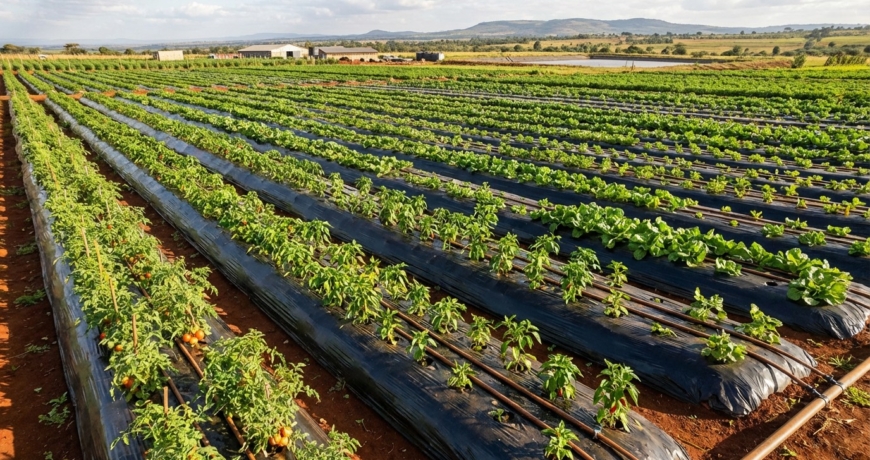
Plastic Mulch: Alternatively, black or silver plastic films are popular for commercial vegetable production. They’re durable, highly effective at weed control and moisture retention, and work beautifully with drip tape laid beneath them. Furthermore, Namani Irrigation can advise on quality mulch films suited to your crops.
Living Mulches: Finally, low-growing cover crops that shade soil while you grow taller crops above them—an advanced technique for experienced growers.
The Synergy: Why Mulching and Drip Irrigation Are Better Together
Here’s where the magic happens. Individually, drip irrigation and mulching are both powerful water-saving tools. However, combine them, and you create a system where 1 + 1 equals 3.
How the Power Couple Multiplies Benefits
Extreme Water Efficiency: First, drip irrigation minimizes water application waste, and mulch minimizes evaporation loss. Together, they can reduce total water needs by up to 80% compared to overhead irrigation on bare soil. Therefore, for Kenyan growers facing water scarcity or high pumping costs, this is transformational.
Optimal Soil Moisture: Additionally, the drip system delivers precise amounts of water, while mulch holds it in the root zone. Consequently, this creates consistently ideal moisture levels—never too wet, never too dry—that maximize plant growth, flavor, and yields.
Enhanced System Performance: Moreover, mulch protects drip lines from UV damage, physical damage, and clogging from soil particles. As a result, this extends the life of your irrigation investment and reduces maintenance.
Improved Crop Quality: Furthermore, the stable moisture and temperature that this combination provides reduces stress-related problems like blossom-end rot in tomatoes, fruit cracking, bitter flavors, and premature bolting in leafy greens. Ultimately, you’ll see better size, appearance, shelf life, and market value.
Reduced Labor: Similarly, both systems cut labor needs—drip through automation, mulch through weed control. Combined, they free you to focus on marketing, harvesting, or expanding your operation rather than constant watering and weeding.
Soil Regeneration: Finally, while saving water today, you’re also building soil health for the future. Indeed, the combination of efficient watering and organic mulch decomposition creates thriving soil ecosystems that will support even better crops over time.
Real-World Applications Across Kenya
This power couple isn’t theoretical—it’s delivering results for Kenyan growers right now.
Greenhouse Vegetable Farmers: For instance, from Naivasha to Meru, greenhouse operators using drip-and-mulch systems report 40-60% water savings, faster crop cycles, and premium produce that commands higher prices at export markets.
Smallholder Farmers: Similarly, even on half-acre plots, this system transforms profitability. Notably, a farmer in Machakos growing kale and tomatoes reduced water costs by 65% while doubling yields within one season of switching from manual watering to a Namani Irrigation drip system with mulch.
Tree Farmers and Orchardists: Additionally, avocado, mango, and macadamia farmers are discovering that drip irrigation with mulch rings around trees dramatically improves establishment rates, reduces drought stress, and accelerates fruit production.
Urban Gardeners: Furthermore, even in Nairobi’s balcony gardens and small backyards, combining drip kits with mulch means beautiful, productive gardens without daily watering chores or shocking water bills.
Landscapers: Finally, professional landscapers across Kenya are specifying drip-and-mulch systems for lawns, flower beds, and hotel grounds to meet client demands for beauty without water waste.
Namani Irrigation: Your Partner in Modern, Efficient Irrigation
At Namani Irrigation, we don’t just sell irrigation supplies—we deliver complete water-saving solutions tailored to Kenyan growing conditions. Specifically, our team understands the unique challenges you face, from variable water pressure to specific crop requirements to budget constraints.
Why Kenyan Growers Trust Namani Irrigation
Expert System Design: First, we assess your specific site—soil type, crop needs, water source, topography—and design a drip system that delivers optimal performance and maximum water savings. Consequently, no guesswork, no trial-and-error.
Quality Products: Additionally, we stock premium drip tape, drip lines, emitters, filters, fittings, and all components needed for reliable, long-lasting systems. Notably, every product meets international quality standards but is priced fairly for the Kenyan market.
Comprehensive Support: Moreover, from initial consultation through installation guidance to ongoing maintenance advice, we’re with you every step. Furthermore, we offer training on system operation, troubleshooting support, and seasonal optimization tips.
Mulching Solutions: Similarly, we can supply quality plastic mulch films and provide expert advice on organic mulch options best suited to your crops and location. Indeed, we’ll help you integrate mulching seamlessly with your drip system.
Proven Track Record: In fact, hundreds of satisfied customers across Kenya—from small urban gardens to large commercial farms—trust Namani Irrigation for their water management needs.
Local Expertise, Modern Technology: Finally, we combine international best practices in irrigation technology with deep understanding of Kenyan soils, climates, crops, and farming realities.
Getting Started: Your Path to Water-Wise Growing
Transforming your farm or garden with the mulching and drip irrigation power couple is simpler than you might think.
Step 1 – Assessment: First, contact Namani Irrigation for a consultation. Call or WhatsApp us at 0797316959 to discuss your crops, water source, budget, and goals. Additionally, for larger projects, we can conduct an on-site assessment.
Step 2 – Custom Design: Next, our team will create a system design optimized for your specific needs—sizing pipes, calculating emitter spacing, determining filter requirements, and planning mulch application.
Step 3 – Quality Installation: Then, we’ll supply all necessary components and provide detailed installation support. Furthermore, for commercial operations, we can arrange professional installation services.
Step 4 – Training and Optimization: Subsequently, we’ll ensure you understand how to operate, maintain, and get maximum benefit from your new system. Moreover, we’ll also guide you on mulching best practices for your specific crops.
Step 5 – Ongoing Success: Finally, as your partner, we’re available for questions, spare parts, system expansions, or seasonal adjustments. Ultimately, your success is our success.
Investment That Pays for Itself
While there’s an upfront investment in drip irrigation equipment and mulching materials, the return is impressive. In fact, most Kenyan growers report that their systems pay for themselves within 1-2 growing seasons through:
- Reduced water bills (40-70% savings)
- Increased yields (20-50% improvements are common)
- Better crop quality commanding premium prices
- Reduced labor costs for watering and weeding
- Lower fertilizer and pesticide expenses
- Reduced crop losses to water stress and disease
Beyond financial returns, you gain peace of mind knowing your crops are consistently cared for, your water use is sustainable, and you’re building rather than depleting your soil.
The Future of Kenyan Agriculture Is Water-Smart
Kenya’s agricultural future depends on adopting efficient, sustainable growing practices. Indeed, as water becomes scarcer and more expensive, and as climate patterns grow more unpredictable, the growers who thrive will be those who embrace modern water management.
Importantly, the combination of drip irrigation and mulching isn’t just a smart technique—it’s becoming essential for competitive, profitable, and environmentally responsible farming and gardening across Kenya.
Furthermore, you don’t have to figure this out alone. In fact, Namani Irrigation has already helped countless Kenyan growers make this transition successfully. Specifically, we have the expertise, the products, the support systems, and the local knowledge to ensure your irrigation upgrade is smooth and successful.
Take Action Today: Transform Your Growing Operation
Stop losing water, money, and potential harvests to inefficient irrigation. Instead, the power couple of mulching and drip irrigation is ready to revolutionize your farm or garden—delivering better crops with less water, less work, and less worry.
Contact Namani Irrigation now for your free consultation. Whether you’re planning a new planting, expanding an existing operation, or simply tired of water waste and disappointing yields, we have the solutions you need.
Get In Touch With Namani Irrigation
Call/WhatsApp:0797316959
Website: https://namaniirrigation.co.ke
Location: Utawala, Nairobi
Follow us on social media for tips, product updates, and success stories:
TikTok: @namani.irrigation5
Facebook: Namaniirrigation
Instagram: @namaniirrigation
Let us show you exactly how a professionally designed drip irrigation system paired with proper mulching can transform your growing operation.
Namani Irrigation: Kenya’s trusted partner for modern, water-saving agricultural irrigation systems. Your journey to smarter, more profitable growing starts with a single conversation. Reach out today—your crops, your budget, and Kenya’s precious water resources will thank you.
There are no comments