
Best Irrigation Equipment Suppliers in Kenya
Best Irrigation Equipment Suppliers in Kenya: A 2026 Guide for Farmers
For Kenyan farmers, the difference between a bumper harvest and a failed season often comes down to one thing: water. With unpredictable rainfall patterns becoming the norm, investing in reliable irrigation equipment has shifted from a luxury to a necessity. Whether you are tending a small kitchen garden in Utawala or managing a commercial farm in Nakuru, finding the right supplier can make or break your agribusiness.
The good news is that Kenya’s irrigation sector has matured significantly. Today, farmers have access to a wide range of equipment—from simple drip kits to advanced solar-powered systems—supplied by companies that understand local soil and climate conditions.
What to Look for in an Irrigation Supplier
Before diving into specific names, it helps to know what separates a good supplier from a great one. The best irrigation companies in Kenya offer more than just products. They provide technical advice, on-site assessments, and after-sales support.
A quality supplier will assess your land size, water source, crop type, and topography before recommending a system. They should also offer training on how to operate and maintain the equipment, ensuring you get maximum value from your investment. Many leading suppliers now offer free agronomy training programs for farmers, recognizing that equipment alone does not guarantee success.
Types of Irrigation Equipment Available
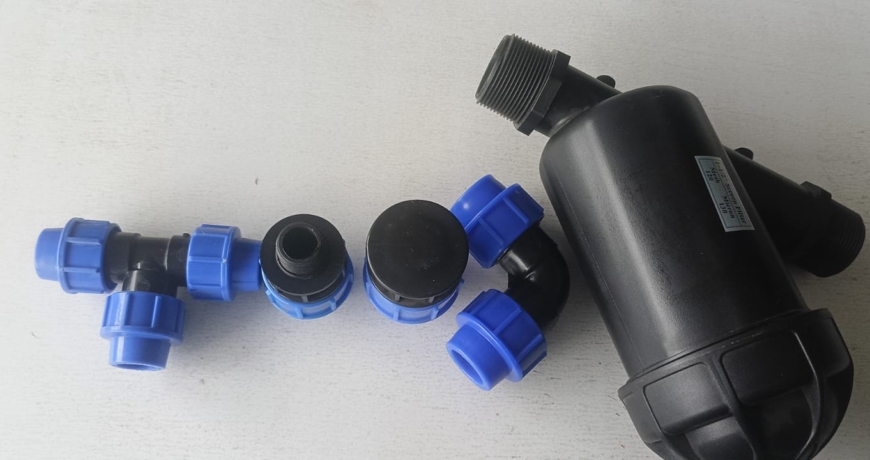
Kenyan suppliers stock a diverse range of irrigation solutions to suit different needs and budgets.
Drip irrigation kits remain the most popular choice for vegetable growers and horticultural farmers. These systems deliver water directly to plant roots, reducing waste by up to 60 percent compared to overhead methods. A basic kit for a quarter-acre plot typically starts from around KES 25,000, while commercial one-acre systems range between KES 120,000 and 160,000.
Sprinkler systems work well for larger fields, pastures, and lawns. Rain gun sprinklers are ideal for extensive acreage, while impact and micro-sprinklers suit smaller plots and orchards. Prices vary widely, with basic impact sprinkler systems starting from KES 50,000 per acre.
Solar-powered pumps have revolutionized irrigation for off-grid farms. These systems eliminate fuel costs and require minimal maintenance, making them increasingly popular in arid and semi-arid regions.
How to Choose the Right Supplier for Your Farm
Start by defining your needs. What is your farm size? What crops are you growing? What is your water source? These factors determine the type of system you need and your budget.
Next, compare suppliers based on product quality, pricing, and support services. Do not hesitate to ask for references from other farmers in your area. A supplier with a strong local presence and a track record of satisfied customers is worth the investment.
Finally, consider the total cost of ownership, not just the purchase price. Cheaper equipment may need frequent replacements, while quality systems from reputable suppliers can last for years with proper maintenance.
Connect with Suppliers Online
Modern irrigation suppliers in Kenya are active on social media, making it easier than ever to research products, ask questions, and place orders. Most companies maintain an active presence on Facebook, TikTok, and Instagram, where they share product demonstrations, farmer success stories, and seasonal offers.
A professional website is also essential for comparing product specifications and requesting quotes. Look for suppliers who provide clear contact information and respond promptly to inquiries.
Call or Whatsapp 0797316959
Final ThoughtsWPForms
Kenya’s irrigation equipment suppliers have stepped up to meet the growing demand for water-efficient farming solutions. By choosing the right partner—one who offers quality products, technical expertise, and ongoing support—you can secure your harvest regardless of the weather.
There are no comments


