Drip Irrigation Prices in Kenya
Drip Irrigation Prices in Kenya: A Complete 2026 Guide for Farmers
Agriculture is the backbone of Kenya’s economy, yet unpredictable rainfall and rising water costs continue to challenge farmers across the country . For farmers in dry regions like Machakos, Kajiado, and parts of Central Kenya, water has become gold. With climate change causing erratic rainfall, drip irrigation has shifted from a luxury to a necessity .
If you are a small-scale vegetable farmer in Kiambu or a large tomato grower in Kirinyaga, understanding drip irrigation prices in Kenya is crucial for your budget. This guide breaks down costs per meter, per acre, and everything you need to know before investing.
What Are Drip Irrigation Prices in Kenya? (2026 Update)
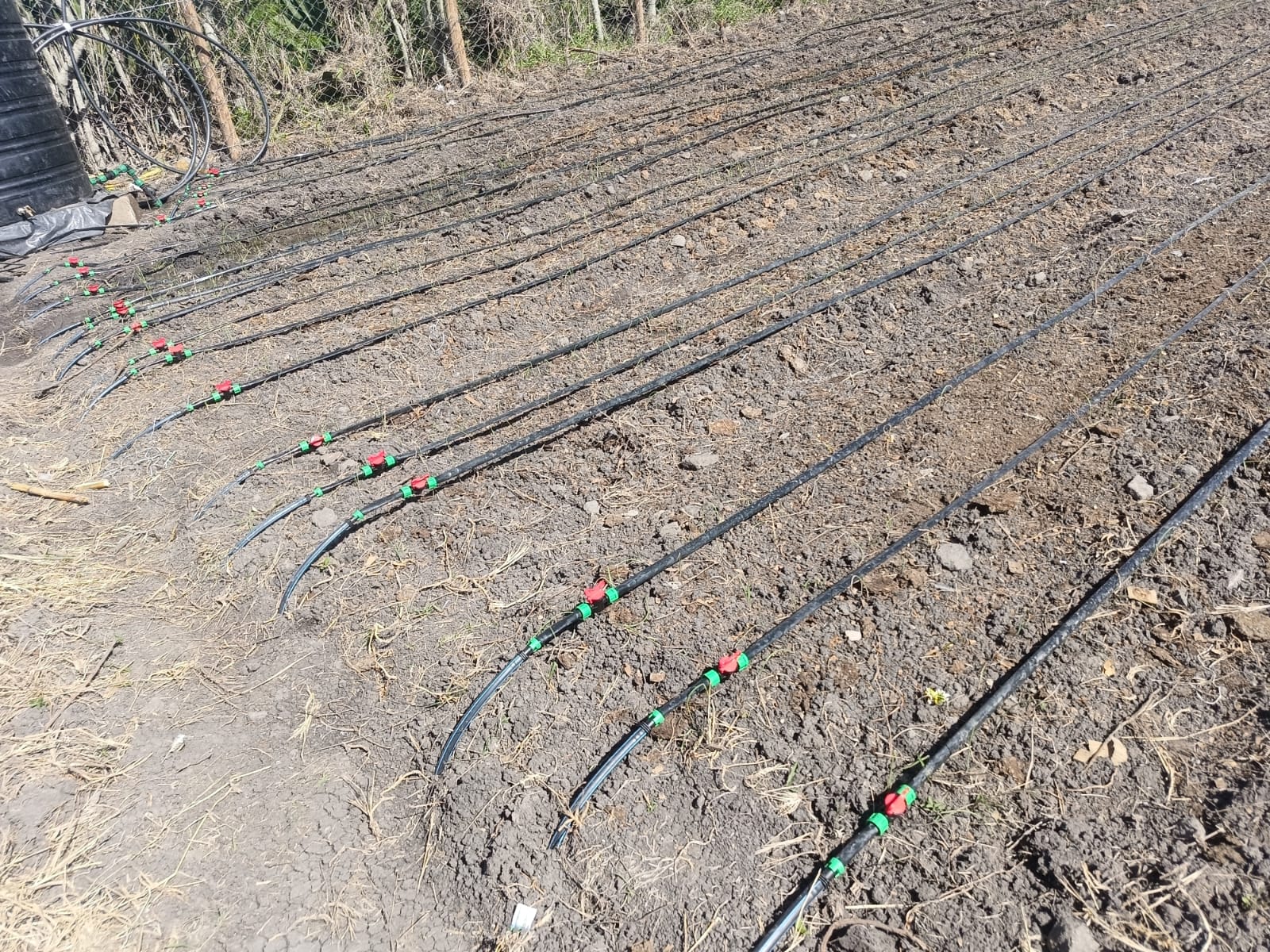
The cost of a drip irrigation system varies based on farm size, quality of materials, and system complexity . Here are the current market rates:
Drip Tape (Flat Drip Line) – Best for Vegetables
-
16mm – 200 microns (0.3mm): Ksh 8 – 9 per meter
-
16mm – 250 microns (0.4mm): Ksh 9 – 10 per meter
Complete Drip Kit for 1 Acre
-
Basic Kit (Gravity fed/tank): Ksh 45,000 – 60,000
-
Standard Kit (Low pressure pump): Ksh 65,000 – 85,000
-
Premium Kit (With fertilizer injector & heavy tape): Ksh 95,000 – 130,000
Other suppliers quote slightly different ranges, with complete 1-acre drip installations costing between KES 130,000 and KES 185,000 depending on the number of drip lines per bed .
Smaller Kits for Home Gardens
-
1/8 Acre Sack Garden Kit: Ksh 8,500 – 12,000
-
1/4 Acre Kitchen Garden: Ksh 15,000 – 22,000
Hidden Costs: What Farmers Often Forget to Budget For
Many farmers only price the drip tape, forgetting these essential components:
-
Filter (Screen/Disc): Ksh 3,000 – 15,000 – Essential to prevent clogging
-
Venturi Injector (For liquid fertilizer): Ksh 5,500 – 12,000
-
Installation labor: Ksh 10,000 – 20,000 per acre
Why Drip Irrigation Is Worth the Investment
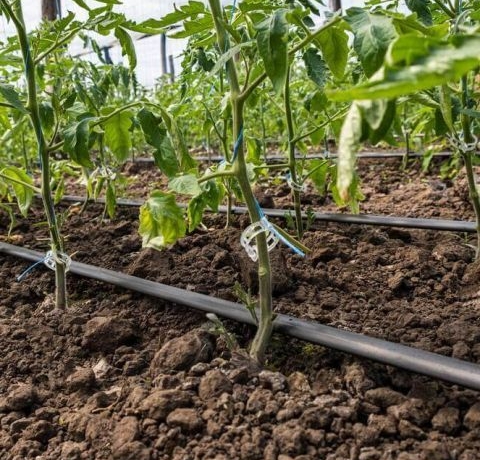
Drip irrigation systems solve critical farming challenges by delivering water directly to plant roots, reducing evaporation and water loss. Farmers save up to 60% more water compared to traditional methods . A cabbage farmer in Kiambu reduced water consumption from 1,000 litres to 500 litres per week after switching to drip irrigation .
The benefits extend beyond water savings:
-
Improved crop yields and quality
-
Ability to apply fertilizers efficiently through fertigation
-
Reduced labor costs
-
Lower weed growth since water only goes where needed
Studies show that for smallholder tomato growers, drip irrigation can deliver yield increases of 50–200% depending on prior rainfed conditions .
Drip Irrigation vs. Sprinkler: Cost Per Acre
While sprinklers may seem cheaper upfront if you already have pipes, drip irrigation pays for itself in one tomato season due to lower water bills and significantly higher yields .
Expert Installation and Support
For farmers in Nairobi and beyond, Namani Irrigation, based in Utawala, is a trusted partner providing affordable and efficient irrigation solutions. We specialize in custom drip irrigation kits for vegetables, fruits, and cash crops, with installation services tailored to your farm size and crop type .
Contact Us:
There are no comments