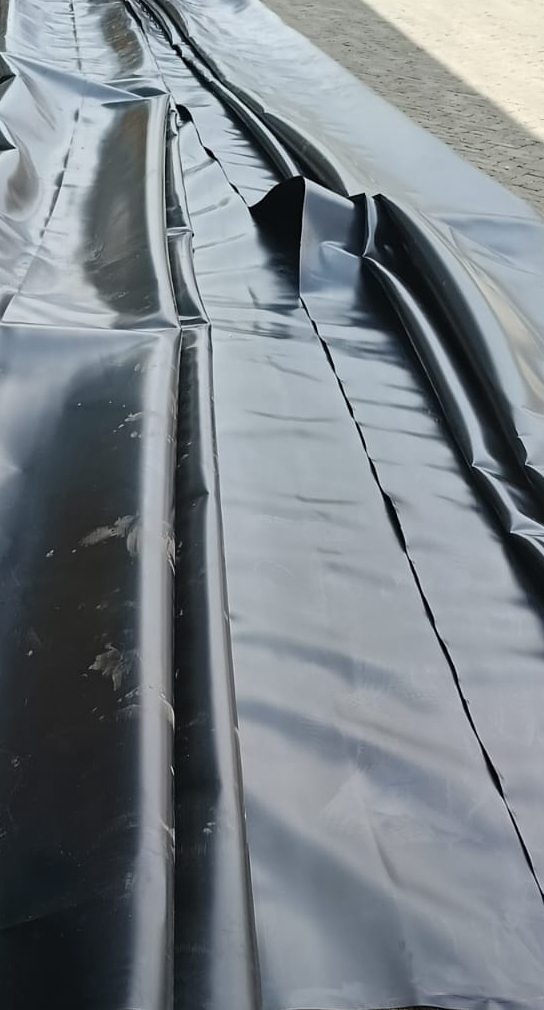
Mulching Paper Prices in Kenya
Mulching Paper Prices in Kenya
For Kenyan farmers looking to boost yields, save water, and reduce labour, mulching paper has become a game-changer. But before investing, understanding what drives mulching paper prices in Kenya and how to calculate your farm’s specific needs is critical for making a smart, budget-friendly decision. This comprehensive guide breaks down everything that influences cost, how to measure what you need, and the real value this technology brings to your farm.
What is Mulching Paper and Why Does It Matter?
Mulching paper is a durable, thin plastic film laid over soil to act as a protective barrier. It’s a key tool in modern agriculture that helps farmers:
-
Save up to 50% of irrigation water by reducing evaporation.
-
Suppress over 90% of weeds, cutting labor costs dramatically.
-
Increase soil temperature for faster seed germination (using black mulch).
-
Improve crop quality and yield by keeping produce clean and reducing disease.
Understanding its function is the first step to understanding its value and the factors behind mulching paper prices in Kenya.
Key Factors Affecting Mulching Paper Prices in Kenya
1. Material Quality & Type
The biggest price determinant is the material itself.
-
Thickness (Gauge): Thicker, more durable films (measured in microns) last longer and resist tearing but come at a higher initial cost.
-
UV Stabilization: Premium films treated to resist breakdown from sunlight cost more but can last an entire growing season or longer.
-
Film Type & Color: Standard black film is typically most affordable. Specialized types like silver/black reflective mulch (for pest control and cooling) or biodegradable options are priced higher due to complex manufacturing.
2. Dimensions & Specifications
-
Roll Width & Length: Prices vary by roll size (e.g., 1m, 1.2m, or 1.5m wide; 400m or 1000m long). Wider/longer rolls have a higher total price but may offer better value per acre.
-
Pre-Perforation: Rolls with pre-cut planting holes are more convenient but also more expensive than plain sheets.
3. Market & Supply Chain Factors
-
Import vs. Local: Prices can fluctuate based on whether the film is imported or locally manufactured, affected by shipping costs and duties.
-
Supplier Source: Buying directly from a trusted, established supplier often ensures fair pricing and quality, avoiding inflated costs from multiple middlemen.
-
Raw Material Costs: Global polyethylene prices, tied to oil markets, directly impact final costs.
4. Purchase Volume & Timing
-
Bulk Discounts: Purchasing by the pallet or for large acreage typically qualifies for significant per-roll discounts.
-
Seasonal Demand: Prices often rise at the start of major planting seasons. Planning and buying during off-peak periods can lead to cost savings.
How to Accurately Measure Your Farm’s Mulching Paper Needs
Buying the right amount prevents waste and controls cost. Follow this simple calculation:
Step-by-Step Measurement Guide:
-
Measure Bed Width: Determine the width of your planting beds.
-
Select Mulch Width: Choose a roll width that covers the bed plus 15-20 cm on each side for anchoring. (Common widths: 1m, 1.2m, 1.5m).
-
Calculate Total Length Needed:
Total Length = (Length of One Bed) x (Number of Beds)
-
Determine Rolls Required:
Number of Rolls = Total Length Needed ÷ Length per Roll (e.g., 400m)
Always round up to the nearest whole roll.
Example for a 1-Acre Tomato Farm:
-
With 40 beds, each 30m long.
-
Total Length = 30m x 40 = 1,200 meters.
-
Using 400m rolls: 1,200 ÷ 400 = 3 rolls needed.
Pro Tip: Consult with your supplier. A good supplier will help you with these calculations and recommend the most cost-effective roll size for your layout.
Pros and Cons: Weighing the Investment
ADVANTAGES
Major Water & Cost Savings: Drastically reduces irrigation needs.
-
Eliminates Weeding Labour: Can save countless hours and associated costs.
-
Higher Yields & Quality: Leads to healthier plants and more marketable produce.
-
Earlier Harvests: Warmer soil accelerates growth for earlier market entry.
-
Reduced Fertiliser Leaching: Makes nutrient use more efficient.
DISADVANTAGES & CONSIDERATIONS
-
Upfront Cost: Initial purchase is an investment.
-
Plastic Waste: Requires proper disposal plan after use.
-
Installation Labour: Requires proper laying and anchoring.
-
Soil Overheating Risk: In very hot areas, black mulch may require monitoring.
-
Weed Growth at Holes: Weeds can still emerge at planting openings.
The Bottom Line: For most farmers, the significant gains in yield and savings in water and labour make the initial cost of mulching paper a highly profitable investment.
Smart Buying Tips for Kenyan Farmers
-
Prioritise Quality Over Price: A slightly more expensive, UV-stabilised film that lasts a full season offers better value than a cheap film that tears mid-season.
-
Buy from a Reputable Supplier: Ensure you get certified, correctly specified products with agronomic support.
-
Plan for Disposal: Inquire about biodegradable options or recycling programs for plastic mulch.
-
Request a Site Assessment: Some suppliers offer consultations to recommend the best type and quantity for your specific farm.
Get Your Personalised Quote & Expert Advice Today!
Choosing the right mulching paper is an investment in your farm’s productivity. Don’t navigate costs and calculations alone.
We provide:
-
Free, no-obligation consultations to assess your farm’s needs.
-
High-quality, UV-stabilised mulching paper in all standard sizes and types.
-
Accurate acreage measurements and roll quantity calculations.
-
Competitive, transparent pricing with direct supplier value.
-
Nationwide delivery across Kenya.
Visit our shop in Utawala – Nairobi
Contact Us, Call/ WhatsApp 0797 316959
Find Us Online:
There are no comments