Dam Liners vs Pond Liners in Kenya
Dam Liners vs Pond Liners in Kenya: Your Ultimate Guide to Water Containment Solutions
Water is precious in Kenya, yet thousands of shillings are lost annually due to seepage, evaporation, and failed water storage projects. Whether you’re planning a large irrigation dam or a commercial fish pond, one decision can make or break your investment: choosing the right liner. The wrong choice leads to leaks, crop losses, and costly repairs. At Namani Irrigation, we specialize in providing expert consultation, certified materials, and professional installation for both dam liners and pond liners in Kenya. Contact us today for a free site assessment and custom quote to ensure your project succeeds from day one.
Dam Liners vs. Pond Liners: Understanding the Key Differences
Many people use these terms interchangeably, but dam liners and pond liners serve distinct purposes. Understanding the difference helps you avoid expensive mistakes.
Dam liners are heavy-duty geomembrane solutions engineered for large-scale water storage. Typically, these liners support irrigation projects, agricultural reservoirs, and industrial water containment. They must withstand high water pressure, UV exposure, and years of continuous use. Most dam liner installations in Kenya use HDPE (High-Density Polyethylene) ranging from 0.5mm to 2.0mm thickness, depending on the reservoir size and terrain.
Pond liners, on the other hand, cater to smaller applications like fish farming, decorative water features, swimming ponds, or livestock watering. While they still prevent water loss, pond liners prioritize flexibility, ease of installation, and sometimes aesthetics. Common materials include reinforced LLDPE (Linear Low-Density Polyethylene) and PVC, with thickness typically between 0.3mm and 1.0mm.
Here’s a quick comparison:
| Feature | Dam Liner | Pond Liner |
|---|---|---|
| Primary Use | Large irrigation dams, agricultural reservoirs | Fish ponds, decorative ponds, livestock watering |
| Material | HDPE (0.5mm–2.0mm) | LLDPE, PVC (0.3mm–1.0mm) |
| Durability | 20–50 years | 10–30 years |
| UV Resistance | High (essential for open exposure) | Moderate to high |
| Cost | Higher per m² (justified by scale) | More affordable for smaller projects |
Both options require professional assessment. Moreover, the terrain, water volume, and intended use all influence the final choice.
Choosing the Right Liner: Material, Thickness, and Lifespan
Selecting a dam liner in Kenya or pond liner in Kenya isn’t just about price. Instead, focus on longevity, performance, and suitability for your specific needs.
Material Matters
HDPE (High-Density Polyethylene) stands as the gold standard for dam liners. It offers exceptional puncture resistance, chemical stability, and UV protection. Furthermore, HDPE performs well in Kenya’s climate, where intense sun and temperature fluctuations challenge lesser materials. For irrigation dams exceeding 1,000 cubic meters, HDPE is typically the best investment.
Reinforced LLDPE works perfectly for fish pond applications. It combines flexibility with tear resistance, making installation easier on irregular surfaces. Additionally, LLDPE’s smooth texture prevents algae buildup, which benefits fish health and water quality.
PVC (Polyvinyl Chloride) suits decorative or swimming ponds where aesthetics matter. However, PVC degrades faster under UV exposure unless treated. Therefore, it requires more frequent replacement compared to HDPE or LLDPE.
Thickness and Longevity
Thicker isn’t always better, but it often is for large-scale projects. A 1.0mm HDPE dam liner offers adequate protection for most agricultural dams. Meanwhile, rocky or abrasive terrain may require 1.5mm or even 2.0mm thickness to prevent punctures.
For fish pond liners, 0.5mm to 0.75mm reinforced LLDPE typically suffices. Nevertheless, high-stocking-density farms benefit from thicker options to withstand constant water movement and cleaning routines.
Lifespan depends on material quality, installation precision, and maintenance. Properly installed HDPE dam liners last 30 to 50 years. In contrast, poorly installed liners fail within 5 years, regardless of material quality.
Why Professional Installation is Non-Negotiable
You’ve invested in quality materials, but installation determines whether your liner performs as intended. Consequently, DIY or inexperienced installation often leads to:
- Wrinkles and folds that trap water and create weak points
- Insufficient anchoring causing liner slippage and exposure
- Poor seam welding leading to leaks at joints
- Inadequate substrate preparation resulting in punctures from roots, rocks, or debris
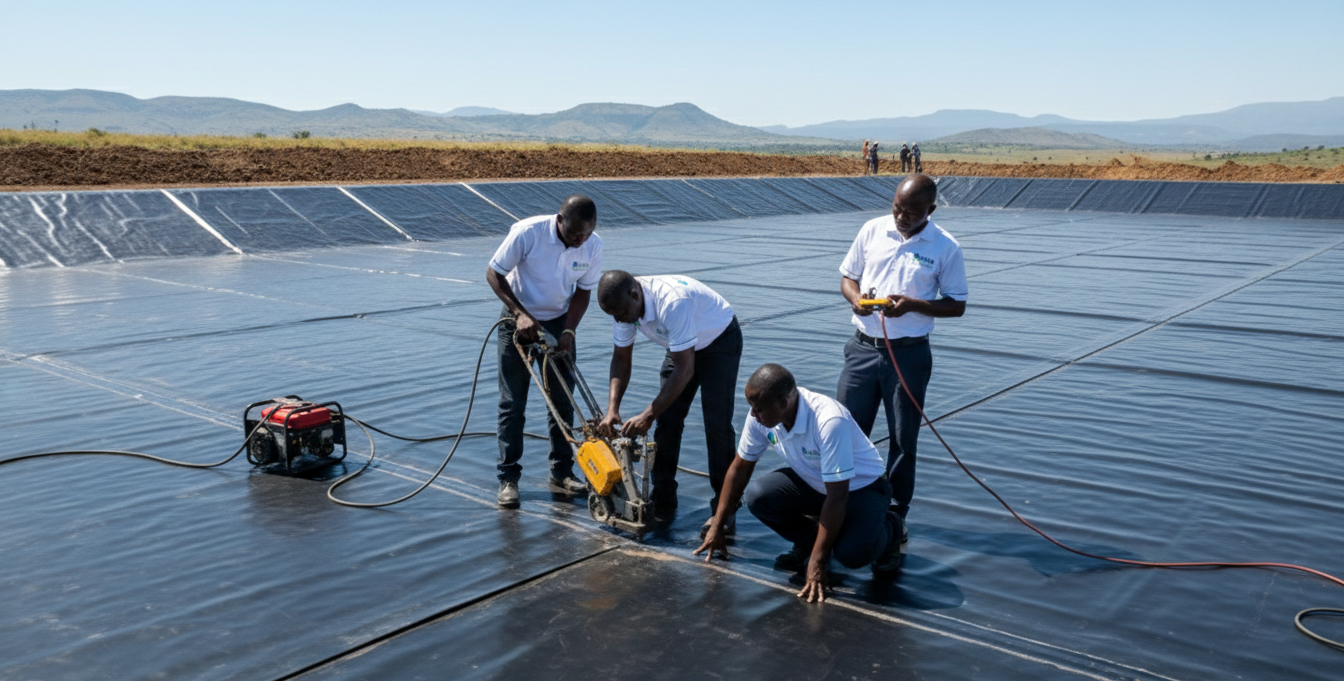
At Namani Irrigation, our certified teams handle everything from site excavation to final testing. Specifically, we:
- Conduct thorough site assessments to identify potential challenges
- Prepare the substrate by removing sharp objects and creating a smooth base
- Custom-fabricate liners to fit your exact dimensions, minimizing seams
- Use advanced welding techniques to create watertight joints
- Perform pressure testing before project handover
Additionally, we offer comprehensive warranties and after-sales support. Therefore, you gain peace of mind knowing experts have your back.
Unsure which liner is right for your project? Our experts can help. Message us today with your project details for tailored advice.
The Real Cost of Mistakes
A liner is a long-term investment, not a one-time purchase. Consequently, cutting corners now costs significantly more later.
Consider a 10,000m² irrigation dam. If you choose a substandard geomembrane liner in Kenya to save 20% upfront, you risk:
- 30-40% water loss through seepage, requiring more pumping and higher energy costs
- Crop failure during dry seasons when stored water runs out prematurely
- Complete liner replacement within 5-10 years instead of lasting 30+ years
- Environmental damage from contaminated runoff if agricultural chemicals leach through failed liners
For fish ponds, poor liner selection leads to:
- Fish mortality due to toxic material leaching or poor water retention
- Lost revenue from reduced stock capacity and frequent restocking
- Reputation damage if your fish farm consistently underperforms
Investing in quality materials and professional installation eliminates these risks. Furthermore, proper systems pay for themselves through reduced maintenance and improved water efficiency.
Namani’s End-to-End Solution: From Consultation to Completion
At Namani Irrigation, we don’t just sell liners—we deliver complete water containment solutions. Our process includes:
1. Free Site Evaluation
We visit your location, assess soil conditions, measure dimensions, and discuss your goals. Subsequently, we recommend the optimal liner type, thickness, and installation approach.
2. Custom Fabrication
Rather than forcing standard sizes, we fabricate liners to your exact specifications. This approach minimizes seams and ensures perfect fit.
3. Professional Installation
Our experienced teams handle substrate preparation, liner placement, welding, and anchoring. Additionally, we test every seam to guarantee zero leaks.
4. Ongoing Support
After installation, we provide maintenance guidance and remain available for inspections or repairs. Moreover, our warranty protects your investment for years to come.
We serve clients across Kenya, from Nairobi to Nakuru, Kisumu to Mombasa. Visit our office in Utawala – Nairobi –Google Maps location to find us or explore our completed projects on Instagram, TikTok, and Facebook.
Common Applications in Kenya
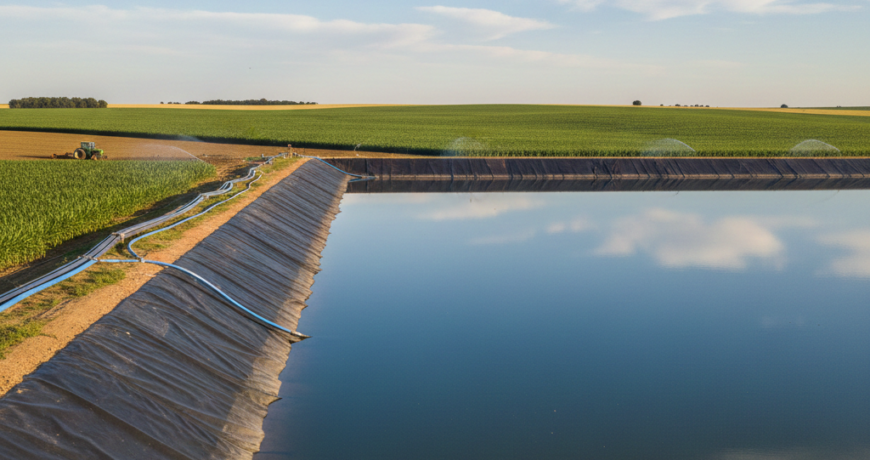
Agricultural dams: Store water for irrigation during dry seasons. HDPE dam liners prevent loss in arid regions.
Fish farming: Commercial tilapia and catfish farms rely on quality pond liners to maintain water quality and prevent contamination.
Livestock watering: Smaller ponds ensure livestock access clean water year-round, improving animal health and productivity.
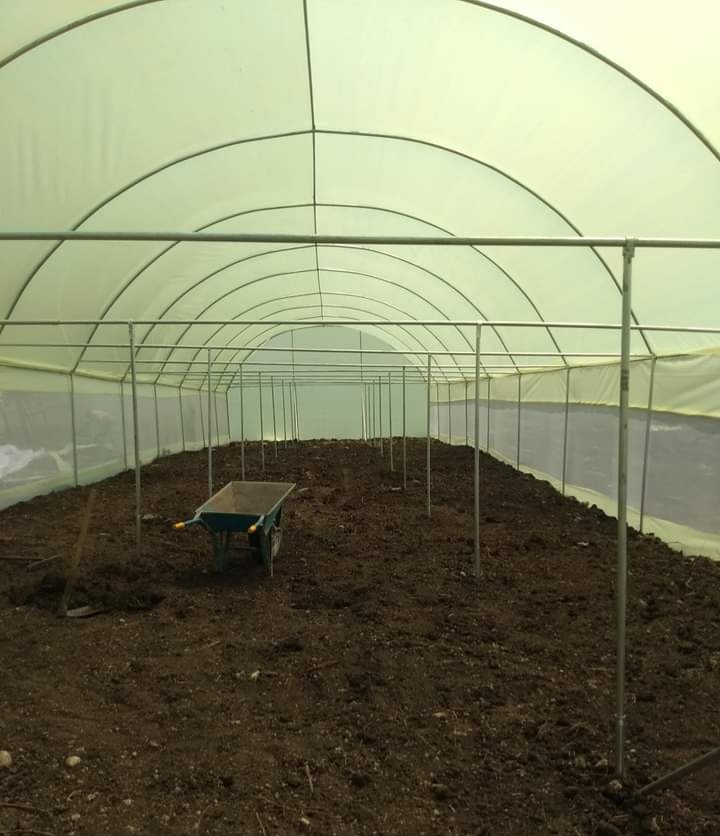
Horticulture: Greenhouses and nurseries use lined reservoirs for consistent drip irrigation supply.
Landscaping: Hotels, resorts, and private homes create stunning water features using aesthetically pleasing pond liners.
Each application demands specific solutions. Therefore, consultation ensures you get exactly what you need.
Make the Right Choice Today
Water security defines agricultural success in Kenya. Whether you need a dam liner in Kenya for a 50,000m² reservoir or a pond liner in Kenya for a 200m² fish farm, the right partner makes all the difference.
Don’t leave your water security to chance. Partner with Kenya’s leading irrigation and lining specialists.
Get in touch with us today:
- Website: namaniirrigation.co.ke
- Call/WhatsApp: +254 797 316959
- Location: Utawala – Nairobi – Find us on Google Maps
- Instagram: @namaniirrigation
- TikTok: @namani.irrigation5
- Facebook: Namani Irrigation
There are no comments