Greenhouse Prices in Kenya 2025
Greenhouse Prices in Kenya 2025: Guide to Cost Factors
Planning for a greenhouse in Kenya? Our 2025 guide breaks down the key factors that determine the final price, from size and frame material to irrigation. Learn how to budget wisely and get an accurate quote.
Greenhouse farming is a cornerstone of modern agriculture in Kenya, empowering farmers to overcome climate challenges, conserve water, and achieve higher yields. For anyone ready to embark on this journey, the most critical question is: “What is the true cost of a greenhouse in Kenya?”
The answer is not a one-size-fits-all figure. The final price of a greenhouse is a sum of its parts, influenced by a range of factors from its basic dimensions to the technology inside. Understanding these variables is the first step to creating a realistic budget and making a smart investment. This guide will walk you through the key elements that determine greenhouse prices in Kenya for 2024.
Understanding the Core Factors That Determine Price
A greenhouse is more than just polythene and pipes. Its cost is built on several key components:
-
Size and Dimensions: This is the most straightforward factor. The larger the footprint (e.g., 8m x 15m, 8m x 24m, or 8m x 30m), the greater the amount of materials required, directly increasing the overall cost.
-
Type and Quality of the Frame: The skeleton of your greenhouse is a major cost driver and a critical decision.
-
Bamboo/Timber Frame: This is the most budget-friendly option for initial setup. However, it is less durable and requires frequent maintenance and replacement, which can add to long-term costs.
-
Galvanised Steel Frame: This is the commercial standard for a reason. It is strong, durable, and resistant to rust, offering a much longer lifespan. While the upfront cost is higher than bamboo, it is a more reliable and cost-effective investment over time.
-
-
Type of Greenhouse Covering (Cladding): The material that lets the light in also keeps the elements out.
-
Regular UV Polytheme: A lower-cost entry point, but this material degrades faster under the intense sun, typically needing replacement every few seasons.
-
Diffused Light Polytheme: A premium option that scatters sunlight, reduces shadow on plants, and can lead to more uniform growth and higher yields.
-
Anti-Insect Net Walls: An essential add-on for pest management. Including this from the start will add to the cost but save significant crop losses later.
-
-
Technology and Irrigation System: This is where costs can scale significantly. A basic structure is one thing; a fully functional farming system is another.
-
Basic Manual Watering: The least expensive option but also the most labour-intensive.
-
Drip Irrigation Kit: A highly efficient system that delivers water and nutrients directly to the plant roots. The cost will scale with the size of your greenhouse.
-
Fertigation Systems and Automated Ventilation: These high-tech additions represent a higher initial investment but can drastically improve efficiency, control, and ultimate productivity.
-
Beyond the Initial Quote: The Full Cost of Ownership
When planning your budget, look beyond the supplier’s quote for the structure itself. The total investment includes several other crucial components:
-
Site Preparation: Costs for land clearing, levelling, fencing, and ensuring a reliable water source (like a tank and foundation) must be factored in.
-
Irrigation and Water System: The full system, including tanks, filters, mainlines, and drippers, is often a separate but essential cost.
-
Initial Inputs: Don’t forget the cost of the first set of seedlings, seeds, fertilisers, and other growing media.
-
Labour: While some suppliers include construction labour in their quote, it’s important to confirm this.
Gothic vs. Tunnel Greenhouses: A Design Choice
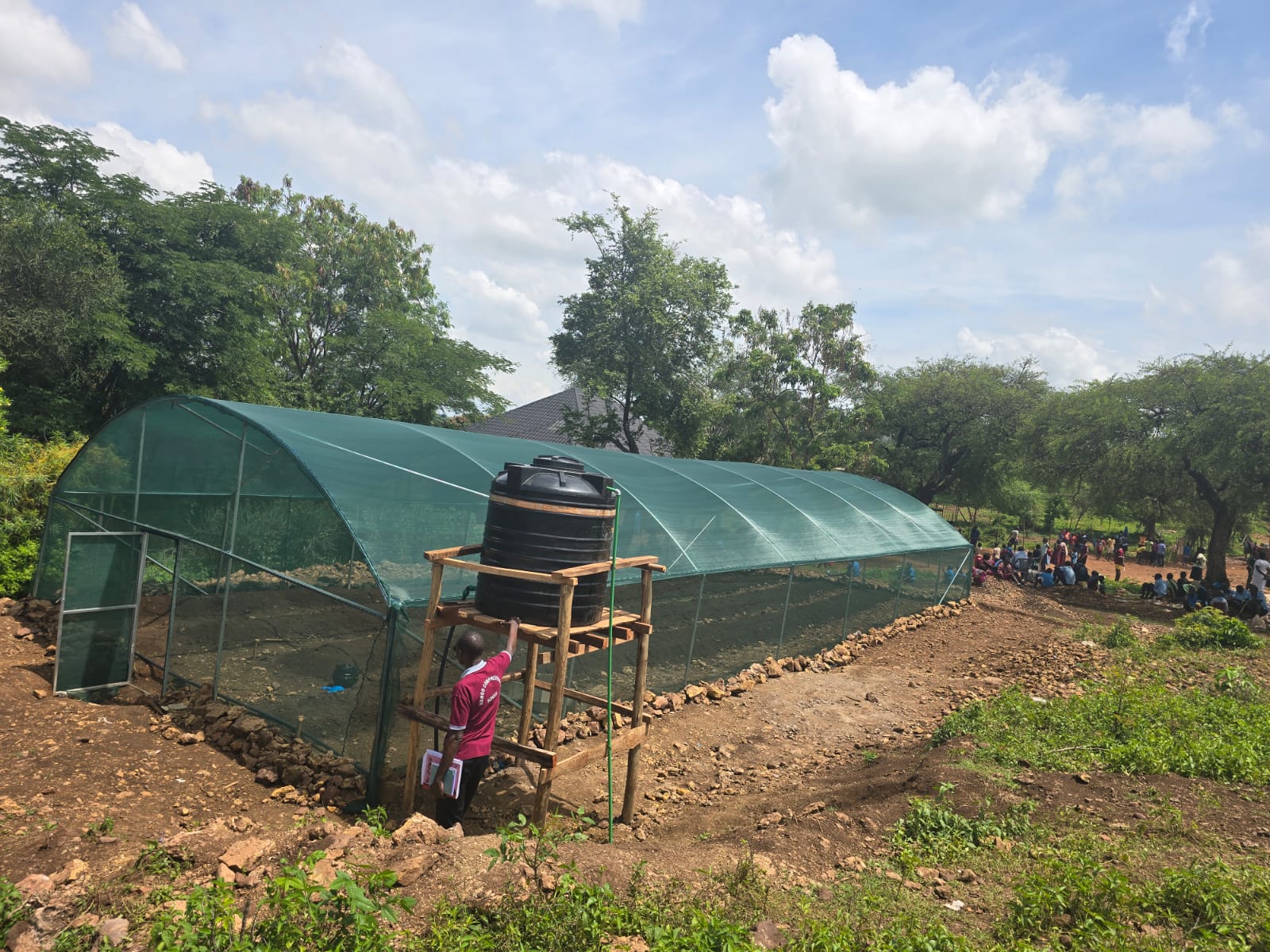
You will also encounter different greenhouse shapes, primarily the Quonset (tunnel) and the Gothic arch. The Gothic design, with its peaked roof, is often priced higher due to its more complex structure. However, it offers superior rainwater runoff and better internal air circulation, which can be a valuable advantage in regions with heavy rainfall.
How to Navigate Pricing and Financing
Given the variables, the most effective way to understand the cost for your specific needs is to contact multiple reputable suppliers for detailed, itemised quotations. This allows you to compare not just the final price, but the quality of materials and what is included.
Acknowledging the substantial upfront investment, Kenyan farmers should explore financing options. Institutions like the Agriculture Finance Corporation (AFC) and some private agri-businesses offer credit facilities specifically for greenhouse farming. Thoroughly research the terms and conditions of any financing agreement.
Conclusion: An Investment in Controlled Cultivation
While the initial price of a greenhouse can be significant, it is best viewed as a long-term investment in controlled, predictable, and profitable agriculture. By focusing on the factors that influence cost—size, frame material, covering, and technology—you can make an informed decision that aligns with your budget and farming goals.
Your next step is to gather information. Reach out to trusted greenhouse companies, be clear about your requirements, and use this guide to understand the details behind the quotes you receive. A well-planned investment today lays the foundation for sustainable harvests for years to come.
Ready to take the next step?
We are here to help you every step of the way.
-
Call or WhatsApp 0797316959.
-
Visit our Website.
- Location , Utawala – Nairobi
There are no comments