Agricultural Shade Nets in Kenya
Agricultural Shade Nets in Kenya
If you are a Kenyan farmer battling increasingly unpredictable weather, from intense sun to heavy rains, you are not alone. Protecting your investment is more critical than ever. Among the most effective and affordable tools for modern, climate-smart farming is the agricultural shade net. But what exactly is it, and how can it transform your farm’s productivity and resilience?
This comprehensive guide will walk you through everything you need to know about shade nets—from how they work and their key benefits to choosing the perfect one for your specific crops and location in Kenya.
What Are Agricultural Shade Nets?
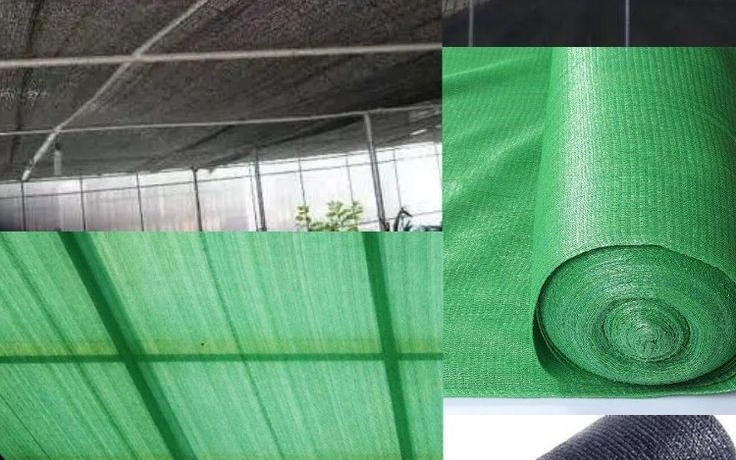
Agricultural shade nets, often called shade cloths, are specialized fabrics made from high-density polyethylene (HDPE). They are engineered to control the amount of sunlight, wind, rain, and even pests that reach your plants. These nets come in different shading intensities, expressed as a percentage, which indicates how much sunlight they block. For example, a 55% shade net blocks 55% of direct sunlight, allowing 45% to pass through.
Key Benefits of Using Shade Nets on Your Kenyan Farm
The strategic use of shade nets offers a powerful return on investment by addressing several core challenges faced by farmers across Kenya.
- Sun and Heat Stress Protection
The Kenyan sun can be relentless, leading to sunburned leaves, wilting, and reduced photosynthesis in crops like tomatoes, kale (sukuma wiki), and French beans. A shade net creates a moderated microclimate, significantly reducing temperatures beneath it and preventing heat stress, which results in healthier, more vigorous plants. - Significant Water Conservation
Water scarcity is a major concern. By reducing temperature and wind speed, shade nets dramatically cut down water evaporation from the soil and plant surfaces. This can lead to water savings of 30-50%, reducing your irrigation costs and conserving a precious resource, especially in arid and semi-arid regions. - Protection from Extreme Weather
A sudden hailstorm or heavy downpour can destroy a season’s work in minutes. Shade nets act as a physical shield, dispersing the impact of hail and reducing the force of heavy rain, thereby preventing physical damage to your crops. - Pest and Bird Control
Birds and large insects can cause significant losses. Installing a shade net creates a protective barrier that keeps these pests out, minimizing crop damage and reducing the need for chemical pesticides. This is especially valuable for fruit and vegetable farms. - Improved Crop Quality and Yield
With a controlled environment, plants experience less stress. This often leads to more uniform growth, better colouration in flowers, higher-quality vegetables, and ultimately, a higher marketable yield.
How to Choose the Right Shade Net Percentage in Kenya
Selecting the correct shade density is crucial for your crop’s health. Here’s a simple guide:
- 30% – 50% Shade: Ideal for fruit crops like capsicums and strawberries, or light-loving vegetables. It offers mild protection while allowing plenty of light for growth.
- 55% – 75% Shade: This is the most common and versatile range. It is perfect for leafy greens (kale, spinach, cabbage), carrots, and some nursery plants.
- 80% – 90% Shade: Best suited for delicate seedlings in a nursery, orchids, and other ornamentals that require high protection from direct sunlight.
Common Applications of Shade Nets in Kenyan Agriculture
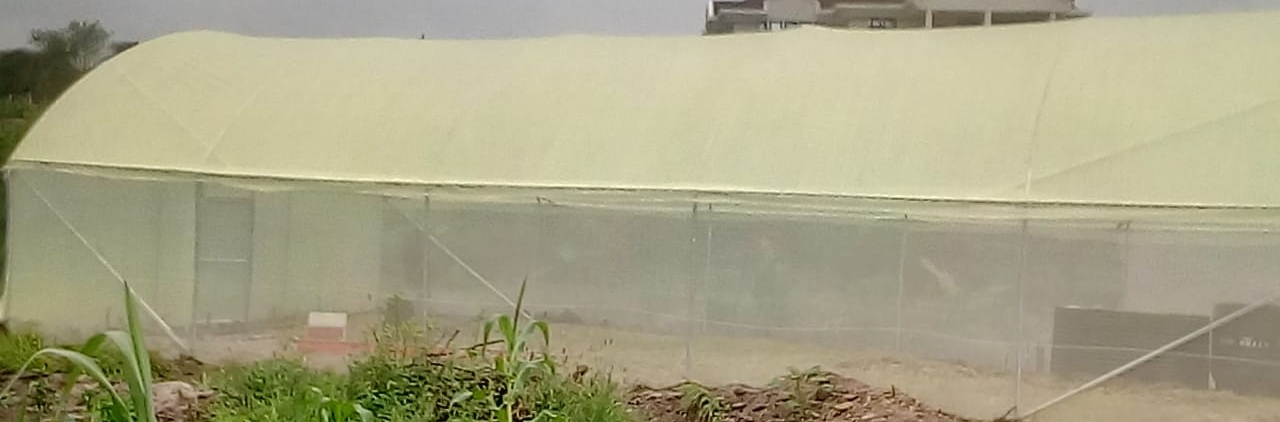
- Standalone Shade Houses: Entire plots are covered with a net structure, ideal for vegetable production and nurseries.
- Greenhouse Shading: Used as a roof or cover on greenhouses to prevent overheating during hot seasons.
- Livestock Shades: Providing cooler, sheltered areas for poultry and other livestock.
Are Shade Nets a Good Investment?
Absolutely. For many Kenyan farmers, a shade net is a low-cost, high-impact technology. It is one of the most accessible steps toward protected farming, offering a clear path to reducing risk, conserving resources, and increasing profitability. The initial cost is quickly offset by higher-quality produce, reduced losses, and lower water bills.
Ready to Install a Shade Net on Your Farm?
At Namani Irrigation, we understand the unique needs of Kenyan farmers. We don’t just supply high-quality, UV-stabilized shade nets; we provide complete solutions, including professional advice on the right shade percentage and expert installation to ensure your structure is durable and effective.
Contact us today for a free consultation! Let us help you build a more resilient and productive farm.
Call/WhatsApp: 0797 316 95
Visit our Website
Location Utawala, Nairobi
Follow Us for Tips and Updates
There are no comments