Best Dam Liners in Kenya
The Ultimate Guide to the Best Dam Liners in Kenya: Performance, Price, and How to Choose
Every year, Kenyan farmers lose thousands of liters of water to seepage and dam failures. Poor-quality liners crack under the sun, tear during installation, and waste your investment within months. The solution isn’t just finding any dam liner—it’s finding the best dam liner in Kenya for your specific project, installed correctly by experienced professionals. At Namani Irrigation, we combine premium-grade materials with expert installation to deliver water storage systems that last decades, not seasons. Whether you’re building an agricultural reservoir, fish pond, or irrigation dam, this guide will show you exactly what separates a reliable liner from a costly mistake.
Why the ‘Best’ Dam Liner Isn’t Just About the Material
Many buyers make a critical error. They focus solely on finding the cheapest liner material without considering the complete system. However, the best dam liner material means nothing without proper thickness selection, professional site preparation, and skilled installation.
A premium HDPE liner installed poorly will fail faster than a mid-grade liner installed by experts. Therefore, your buying decision should evaluate four essential factors: material durability, correct thickness for your application, supplier expertise, and installation quality. Consequently, working with a full-service provider like Namani Irrigation ensures every element works together.
Top 3 Dam Liner Materials Compared: HDPE, LLDPE, and PVC
Choosing between HDPE vs PVC liner Kenya options requires understanding each material’s performance in East African conditions. Here’s a detailed comparison:
| Material | Durability | UV Resistance | Best Application | Lifespan | Cost |
|---|---|---|---|---|---|
| HDPE (High-Density Polyethylene) | Excellent | Superior | Large agricultural dams, irrigation reservoirs | 20-30 years | Medium-High |
| LLDPE (Linear Low-Density Polyethylene) | Very Good | Good | Fish ponds, smaller water storage | 15-25 years | Medium |
| PVC (Polyvinyl Chloride) | Good | Moderate | Temporary storage, budget projects | 10-15 years | Low-Medium |
HDPE: The Premium Choice for Agricultural Dam Liner Projects
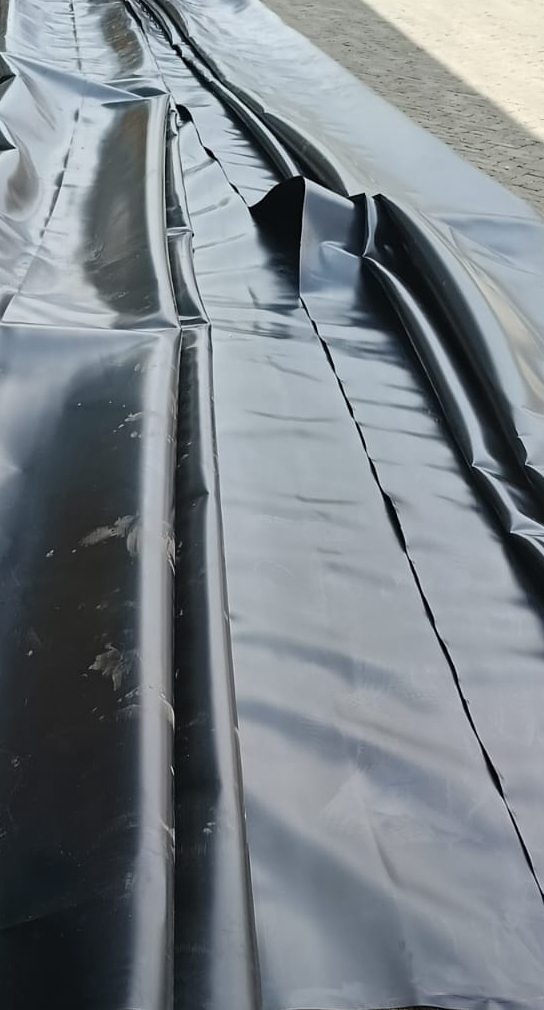
HDPE stands out as the best dam liner in Kenya for large-scale agricultural operations. This geomembrane liner supplier favorite offers exceptional puncture resistance and chemical stability. Moreover, it withstands Kenya’s intense UV exposure without degrading.
The material remains flexible in temperature extremes, from Rift Valley heat to highland cold. Additionally, HDPE is environmentally safe for potable water and aquaculture. Most importantly, when properly installed, it provides the longest service life—often exceeding 25 years.
LLDPE: The Balanced Option for Fish Pond Liner Quality
LLDPE delivers excellent fish pond liner quality at a moderate price point. It offers better flexibility than HDPE, making it easier to install around irregular pond shapes. Furthermore, it’s completely fish-safe and approved for aquaculture operations.
This material suits farmers who need reliable water storage without the budget for top-tier HDPE. Nevertheless, it requires proper underlayment protection to prevent punctures from sharp objects underground.
PVC: The Budget Solution with Limitations
PVC liners cost less initially but come with trade-offs. They’re suitable for temporary storage or short-term projects. However, they degrade faster under UV exposure and become brittle over time.
For serious irrigation reservoir construction, PVC rarely represents the best long-term investment. Instead, spending more upfront on HDPE or LLDPE saves money by avoiding premature replacement.
5 Key Factors That Define the ‘Best’ Liner for Your Project
1. Material Quality and Certification
The best dam liner material comes with proper certifications. Look for GRI-GM13 or ASTM standards that guarantee consistent thickness and strength. Namani Irrigation sources only certified materials from reputable manufacturers.
Additionally, virgin resin liners outperform recycled alternatives. They maintain structural integrity longer and resist environmental stress better.
2. Correct Thickness Selection
Thickness determines puncture resistance and longevity. Agricultural dams typically require 0.75mm to 1.5mm liners, depending on soil conditions. Rocky terrain demands thicker protection.
Conversely, smooth clay sites may allow thinner options. A professional site assessment prevents costly over-specification or dangerous under-specification. Contact Namani’s team for expert thickness recommendations.
3. Professional Site Preparation
Even premium liners fail without proper ground preparation. The site must be cleared of stones, roots, and sharp debris. Then, a protective geotextile underlayment should be installed.
This layer cushions the liner and prevents punctures from below. Furthermore, proper grading ensures water drains correctly without creating stress points. Namani’s installation crews handle complete site preparation as part of their service.
4. Expert Installation Techniques
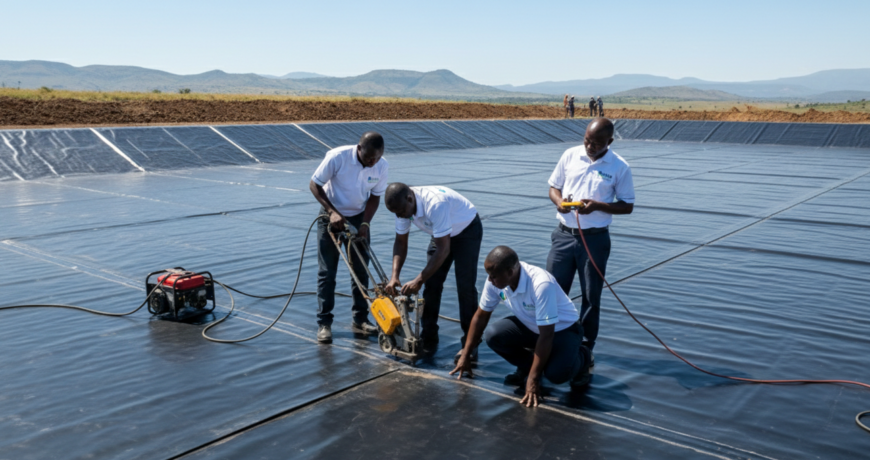
Installation quality makes or breaks your investment. Seams must be properly welded, not just glued. Corners require careful folding without creating tension points.
Moreover, the liner needs adequate anchoring around edges to prevent wind damage and shifting. DIY installation often voids warranties and leads to failures. Instead, professional teams like those at Namani Irrigation guarantee leak-free performance.
5. Warranty and After-Sales Support
Reputable geomembrane liner supplier companies stand behind their work. Look for minimum 10-year material warranties and installation guarantees.
Additionally, quality suppliers offer repair services if damage occurs. Namani provides comprehensive warranties plus ongoing technical support for maintenance questions.
Buyer’s Checklist: Finding the Best Dam Liner in Kenya
Use this checklist to evaluate potential suppliers:
- ✓ Certified materials with verifiable quality standards
- ✓ Multiple thickness options for different applications
- ✓ Includes professional site assessment before quoting
- ✓ Supplier offers installation services with trained crews
- ✓ Provides geotextile underlayment as part of the package
- ✓ Clear warranty terms covering both material and installation
- ✓ Local presence for quick support and repairs
- ✓ Portfolio of completed projects you can reference
- ✓ Transparent pricing with no hidden costs
- ✓ Custom fabrication capability for odd-shaped dams
Namani Irrigation checks every box on this list. Visit our completed projects on Instagram to see real-world installations.
Real Cost Analysis: Initial Investment vs. Long-Term Value
Budget-focused buyers often choose cheaper liners to save money upfront. However, this approach backfires when replacement becomes necessary within 3-5 years.
Consider this comparison:
Budget PVC Option:
- Initial cost: KSh 150 per square meter
- Lifespan: 8 years
- Total cost over 24 years: KSh 450/sqm (three replacements)
Premium HDPE from Namani:
- Initial cost: KSh 420 per square meter
- Lifespan: 25+ years
- Total cost over 24 years: KSh 420/sqm (no replacement)
Moreover, replacement projects require draining the dam, removing the old liner, and repeating installation—adding significant labor costs. Therefore, investing in the best dam liner in Kenya from the start provides superior value.
Why Professional Installation is Non-Negotiable
Quality materials only deliver results with expert installation. Professional crews bring specialized equipment like hot-wedge welders for permanent seams. They understand proper anchoring techniques that prevent liner movement.
Furthermore, experienced installers identify potential problems before they occur. They adjust for ground settlement, plan drainage paths, and ensure proper overlap at seams.
Namani Irrigation’s installation teams have completed hundreds of dam projects across Kenya. From Nairobi to Kisumu, our track record speaks to our expertise. Visit our location or check our Facebook page for customer testimonials.
Common Mistakes That Compromise Dam Liner Performance
Skipping the Underlayment
Many failed installations trace back to missing geotextile protection. Sharp objects puncture liners from below, creating leaks that worsen over time.
Incorrect Seam Welding
Glued seams separate under water pressure and temperature changes. Only thermal welding creates permanent, leak-proof bonds.
Poor Edge Anchoring
Unanchored edges allow wind to lift liners, creating tears and exposing the dam to contamination. Proper trenching and backfilling prevents this damage.
Ignoring Site-Specific Factors
Soil type, water table depth, and expected water volume all influence liner selection. Generic recommendations often miss critical site requirements.
Making Your Decision: Partner with Kenya’s Dam Liner Experts
Selecting the best dam liner material requires balancing quality, cost, and application requirements. HDPE offers unmatched durability for large agricultural projects. LLDPE provides excellent value for aquaculture. Even PVC has its place in temporary installations.
However, material choice represents just one piece of the puzzle. Professional site assessment, expert installation, and reliable warranty support determine whether your investment succeeds or fails.
Namani Irrigation brings 15+ years of experience to every project. We provide free on-site evaluations, customized liner recommendations, and complete installation services. Our warranties protect your investment, and our technical team remains available for ongoing support.
Ready to install the best dam liner for your specific site and budget? The experts at Namani Irrigation provide a free, on-site evaluation and detailed quote. Whether you’re planning an irrigation reservoir construction project or need a premium fish pond liner quality solution, we deliver results that last.
Schedule your assessment today or explore our full range of irrigation solutions at namaniirrigation.co.ke. Follow us on TikTok for installation tips and customer success stories.
Don’t let water loss undermine your agricultural success. Choose the proven leader in dam liner installation—choose Namani Irrigation.
Connect with Namani Irrigation
- Website: namaniirrigation.co.ke
- Call/WhatsApp: +254 797 316959
- Location: Utawala – Nairobi – Find us on Google Maps
- Instagram: @namaniirrigation
- Facebook: Namani Irrigation
- TikTok: @namani.irrigation5
There are no comments