
Professional Dam Liner Installation in Kenya
Professional Dam Liner Installation in Kenya
Water is Kenya’s most precious resource, and with climate change bringing longer dry spells, storing every drop has never been more critical. Whether you are a farmer looking to secure irrigation water, an aquaculture entrepreneur, or a landowner wanting a reliable domestic reservoir, a dam liner is the smartest investment you can make.
But here is the truth: buying a quality liner is only half the battle. Professional dam liner installation is what separates a 20-year water reservoir from a leaking, costly failure. In this comprehensive guide, we will walk you through everything you need to know about dam liner installation in Kenya—from the step-by-step process to costs and why choosing the right experts matters.
What Is a Dam Liner and Why Do You Need One?
A dam liner is a heavy-duty, flexible geomembrane—typically made from High-Density Polyethylene (HDPE)—that creates an impermeable barrier inside an excavated dam or water pan . Think of it as a giant, incredibly durable waterproof sheet designed to stop water from seeping into the soil .
Without a proper liner, unlined dams can lose up to half their water through seepage, especially in porous or sandy soils. This wasted water means lost irrigation potential and wasted money on excavation. A professionally installed HDPE dam liner ensures every drop of harvested rainwater or borehole water is preserved for when you need it most .
The Dam Liner Installation Process: Step by Step
Step 1: Site Excavation
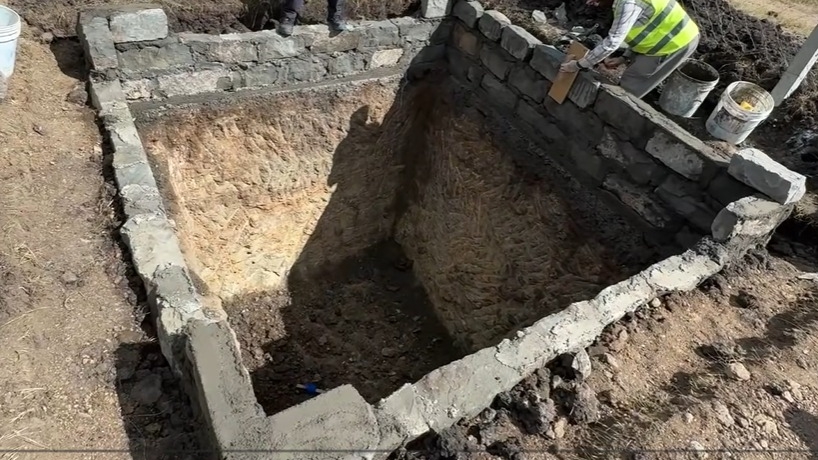
This is where it all begins. The water reservoir is excavated using manual labour or machinery like backhoe loaders, excavators, and bulldozers . The side walls are sloped at an angle to prevent collapse .
Step 2: Site Preparation (The Critical Step)
A perfectly prepared subgrade is essential for a successful installation. The site must be cleared of all rocks, tree stumps, roots, and debris that could puncture the liner . Water is often applied to soften the floor and sides, and a roller may be used to compact and smooth the surface .
Step 3: Creating Anchor Trenches
Trenches are dug around the perimeter of the dam to secure the liner. The most common trench sizes are 1 foot deep by 1 foot wide or 1.5 feet deep by 1.5 feet wide, depending on the dam size and liner thickness . These trenches will hold the edges of the liner in place.
Step 4: Liner Deployment and Welding
The dam liner is carefully unrolled and positioned across the prepared area . For larger dams, multiple panels are fused together using hot wedge welding equipment or heat guns. This process involves melting the liner material at high temperatures and fusing two layers together to create a seal stronger than the liner itself .
Welding is crucial because standard liner rolls are often 8 metres wide, and many dams exceed this width . Professionally welded seams ensure the integrity of the entire reservoir.
Step 5: Anchoring and Securing
The edges of the liner are tucked into the anchor trenches and backfilled with compacted soil. This prevents wind from getting underneath the liner and protects the edges from damage .
Step 6: Filling and Inspection
Once installed, the dam is slowly filled with water. The weight of the water pushes the liner into the shape of the reservoir . Professionals conduct thorough visual inspections and non-destructive testing on the seams to guarantee the system is leak-proof before handover .
Dam Liner Prices in Kenya: What to Budget
Understanding costs is essential for planning your project. Dam liner prices in Kenya vary based on thickness, quality, and project size.
Here is a breakdown of current market rates for HDPE dam liners as of 2026 :
| Thickness | Price per m² (KES) | Best Suited For | Typical Lifespan |
|---|---|---|---|
| 0.3 mm | ~200 | Small, smooth-sided ponds | 5-8 years |
| 0.5 mm | ~230 | Medium irrigation ponds, low-risk surfaces | 8-12 years |
| 0.75 mm | ~330 | Larger reservoirs, surfaces with some stones | 15-20 years |
| 1.0 mm | ~430 | Heavy-duty use, rocky terrain, large-scale dams | Over 25 years |
Note: These prices are for the liner material only. Installation costs and site preparation are additional .
Why Professional Installation Matters
You might be tempted to install a dam liner yourself to save money. However, poor installation is the leading cause of failure. Improperly welded seams, wrinkles, and inadequate anchoring can lead to leaks and dramatically shorten the lifespan of your liner .
Professional dam liner companies use certified technicians and state-of-the-art welding equipment to ensure watertight seals. They also understand the local terrain and can recommend the right liner thickness and the use of geotextile underlays for rocky soils .
Your Trusted Partner in Utawala
If you are looking for professional dam liner installation in Kenya, look no further than Namani Irrigation, located in Utawala. They offer end-to-end solutions, from site consultation and supply to expert installation . With a focus on quality HDPE liners and certified installation, they ensure your water storage investment is built to last.
For more information or to get a quote, reach out via Call or WhatsApp at 0797316959. Facebook Tiktok Instagram and Website
There are no comments

