Dam Liner Installation in Kenya
Dam Liner Installation in Kenya
Water scarcity remains one of the biggest challenges facing Kenyan farmers and developers. That’s where professional dam liner installation in Kenya becomes essential. Utawala 0797316959
Why Choose HDPE Dam Liners?
 Cakes in Kenya, birthday cakes Nairobi, cake prices Kenya 2026, traditional cakes Nairobi, Black Forest cake Kenya, chocolate fudge cake Nairobi, red velvet cake Utawala, custom
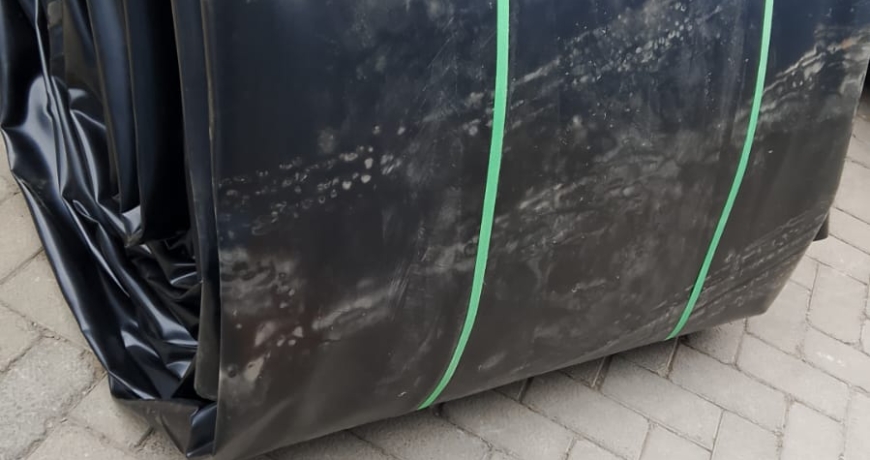
High-Density Polyethylene (HDPE) geomembranes are revolutionizing water conservation across Kenya. These durable, UV-treated liners create an impermeable barrier that prevents water seepage while withstanding harsh Kenyan sunlight and soil conditions.
Key benefits include:
-
Water conservation – Eliminates up to 100% of seepage losses
-
Durability – UV-stabilized HDPE liners last 15-25+ years
-
Versatility – Suitable for irrigation ponds, fish farming, and commercial reservoirs
-
Cost-effectiveness – Long-term savings on water replenishment costs
Dam Liner Prices in Kenya (2026)
Current dam liner prices depend primarily on thickness and quality. As of 2026, here are the typical prices per square metre from reputable suppliers:
| Thickness | Price per m² (KES) | Best For |
|---|---|---|
| 0.3 mm | KES`200 | Small ponds, smooth surfaces |
| 0.5 mm | KES 220 | Medium irrigation ponds |
| 0.75 mm | KES 320 | Large reservoirs, general farming |
| 1.0 mm | KES 420 | Heavy-duty, rocky terrain |
Installation costs typically add KES 100-300 per square metre, covering welding, site preparation, and professional labour.
Step-by-Step Dam Liner Installation Process
Professional dam liner installation requires careful execution. Here’s what to expect:
1. Site Preparation and Excavation
The site must be cleared of rocks, sharp objects, and vegetation. Excavation can be manual or using machinery like backhoe loaders and bulldozers. Side walls should be sloped appropriately to prevent collapse. Excavation costs typically range from KES 5,000-9,500 per hour depending on equipment used.
2. Smoothing the Base
The excavated surface must be smoothed to remove any sharp objects that could damage the liner. Applying water to the floor and sides helps soften the soil.
3. Anchor Trench Creation
Trenches around the perimeter secure the liner edges. Standard trench sizes are approximately 0.3m-0.45m deep by 0.3m wide, depending on dam size and liner thickness.
4. Liner Placement and Welding
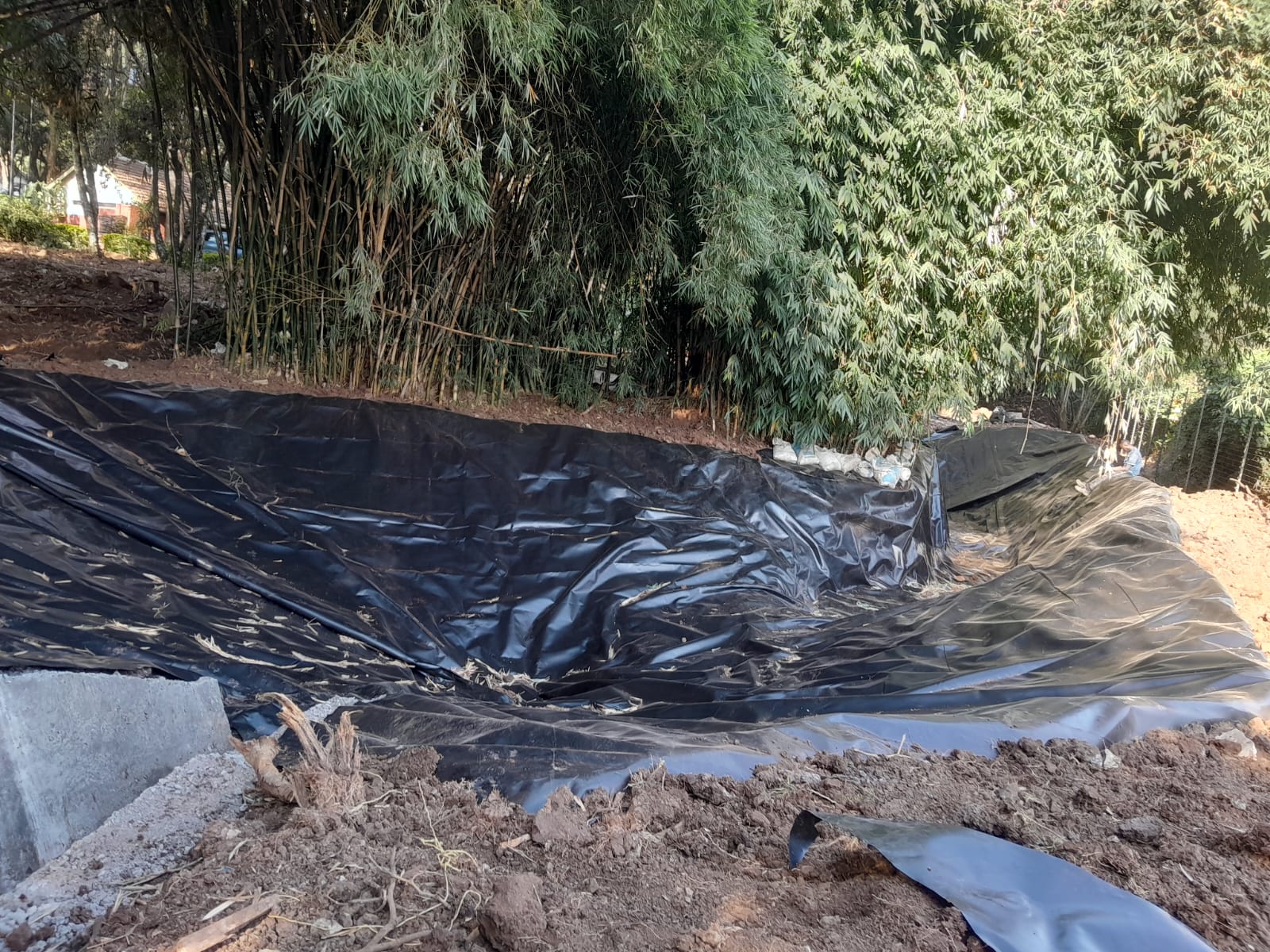
The HDPE liner is carefully unrolled and positioned. For larger projects, multiple panels are joined through heat welding using specialized equipment. This critical step requires skilled technicians to ensure watertight seams. Welding typically costs about KES 25 per square metre.
5. Anchoring and Securing
Liner edges are tucked into anchor trenches and backfilled with soil, rocks, or gravel. A geotextile underlay is recommended for rocky terrain to provide additional protection against punctures.
6. Filling and Inspection
Why Choose Professional Installation?
-
Certified welding technicians with specialized equipment
-
Experience with Kenyan terrain and climate conditions
-
Quality assurance and testing
-
Proper material handling and warranty protection
Contact Us for Expert Dam Liner Installation
Based in Utawala, we serve farmers, developers, and water project managers across Kenya. Our comprehensive solutions include site assessment, professional installation, and after-sales support.
Call or WhatsApp: 0797316959
Visit our website: Learn more about our dam liner solutions and request a free quote
Follow us for water conservation tips and project showcases:
There are no comments