Greenhouse Tomatoes in Kenya: A Profitable Venture.
Greenhouse Tomatoes in Kenya: A Profitable Venture.
Introduction
Greenhouse farming has revolutionized tomato production in Kenya, offering higher yields, better quality, and year-round harvests. We provides top-tier greenhouse tomato farming solutions, including irrigation systems, greenhouse construction, and agronomic support.
Why Grow Tomatoes in a Greenhouse?
Kenya’s climate can be unpredictable, with droughts, pests, and diseases affecting open-field tomato farming. A controlled greenhouse environment solves these challenges by:
Higher Yields – Greenhouses allow for year-round production, unlike seasonal rain-fed farming.
Pest & Disease Control – Enclosed spaces reduce infestations from tuta absoluta, whiteflies, and blight.
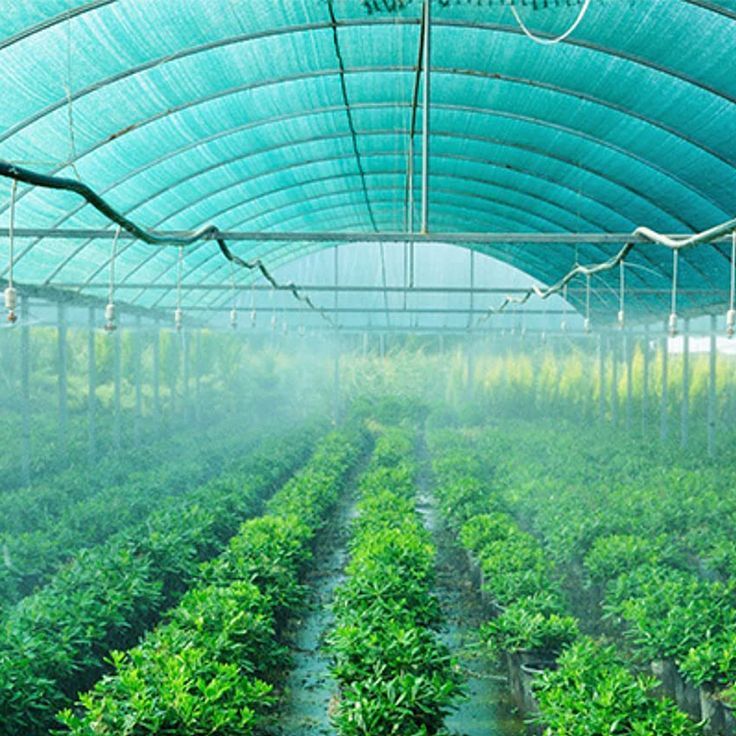
Water Efficiency – Drip irrigation systems minimize water wastage.
Better Quality – Uniform growing conditions produce bigger, sweeter, and longer-lasting tomatoes.
Higher Market Prices – Greenhouse tomatoes fetch better prices due to their superior quality.
Best Greenhouse Tomato Varieties in Kenya
Choosing the right variety is crucial for success. Popular greenhouse tomato varieties in Kenya include:
-
Anna F1 – High-yielding, disease-resistant, and suitable for fresh market.
-
Zarina F1 – Tolerant to heat and pests, ideal for Kenyan greenhouses.
-
Tylka F1 – Known for large, firm fruits with long shelf life.
-
Rio Grande – Excellent for processing due to its thick flesh.
Setting Up a Greenhouse for Tomatoes in Kenya
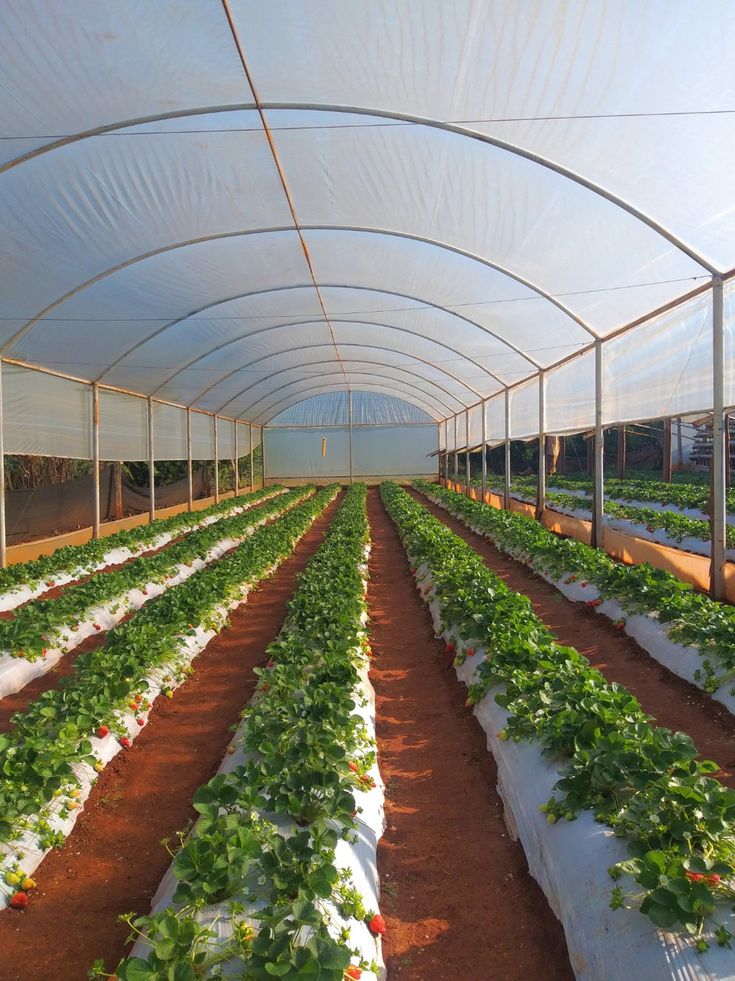
1. Greenhouse Structure
-
Location: Kenya’s climate is favorable, but proper ventilation and shading are necessary.
-
Size: Start with at least 8m x 15m for commercial viability.
-
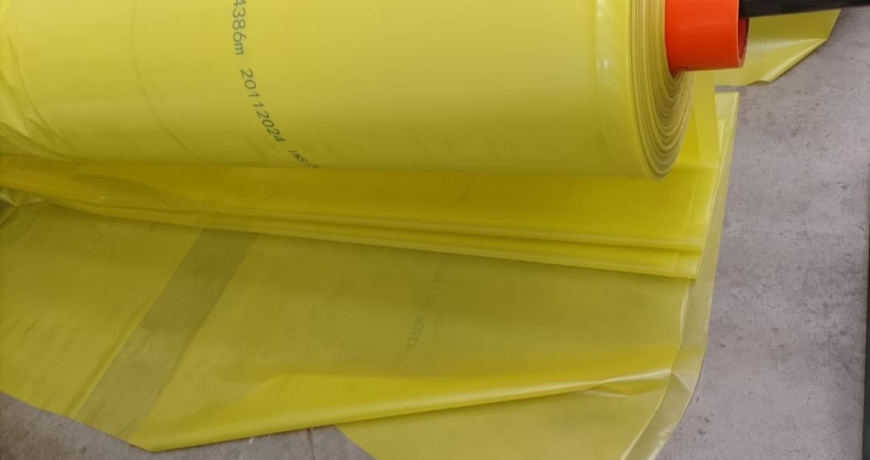
Material: UV-resistant polythene and galvanized steel frames for durability.
2. Irrigation System (Drip Irrigation Recommended)
-
Saves up to 60% water compared to flood irrigation.
-
Delivers nutrients directly to roots (fertigation).
-
Reduces fungal diseases by keeping foliage dry.
Namani Irrigation designs and installs customized drip systems for greenhouse tomatoes.
3. Soil & Fertilization
-
Use well-drained, loamy soil or coco peat for hydroponics.
-
Conduct soil tests to determine nutrient needs.
-
Apply organic manure & balanced NPK fertilizers.
4. Climate Control
-
Ventilation: Use side vents and fans to regulate temperature.
-
Shade Nets: Prevent excessive heat (tomatoes thrive at 20-30°C).
-
Humidity Management: Avoid excess moisture to prevent blight.
Greenhouse Tomato Farming Costs & Profitability
| Expense | Estimated Cost (KES) |
|---|---|
| Greenhouse Construction (8m x 15m) | 180,000 – 240,000 |
| Drip Irrigation System | 10,000 – 15,000 |
| Seedlings (500 plants) | 7,000 – 15,000 |
| Fertilizers & Pesticides | 25,000 – 30,000 |
| Labor & Miscellaneous | 15,000 – 20,000 |
| Total Initial Investment | 237,000 – 320,000 |
With proper management, greenhouse tomatoes can be highly profitable in Kenya.
Common Challenges & Solutions
1. Pests & Diseases
-
Tuta Absoluta – Use pheromone traps & biopesticides.
-
Whiteflies – Install insect-proof nets & apply neem oil.
-
Blight – Ensure proper spacing & fungicide sprays.
2. High Initial Investment
-
Start small & expand gradually.
-
Seek government subsidies or agricultural loans.
Why Choose Namani Irrigation for Greenhouse Tomatoes?
Expert Greenhouse Construction – Durable, well-ventilated designs.
Smart Irrigation Systems – Drip & fertigation for maximum yields.
Agronomic Support – Training on pest control & best practices.
Affordable Maintenance – Servicing & repairs for long-term success.
Call/WhatsApp: 0797316959
Website
Facebook
TikTok
There are no comments