Dam Liner Installation in Kenya
Dam Liner Installation in Kenya
Water security is one of the most pressing challenges facing Kenyan farmers and landowners today. With unpredictable rainfall patterns and prolonged dry seasons, the ability to harvest and store water efficiently has become essential for agricultural success. This is where dam liner installation in Kenya plays a critical role in transforming ordinary water pans into reliable, long-lasting reservoirs.
What Is a Dam Liner?
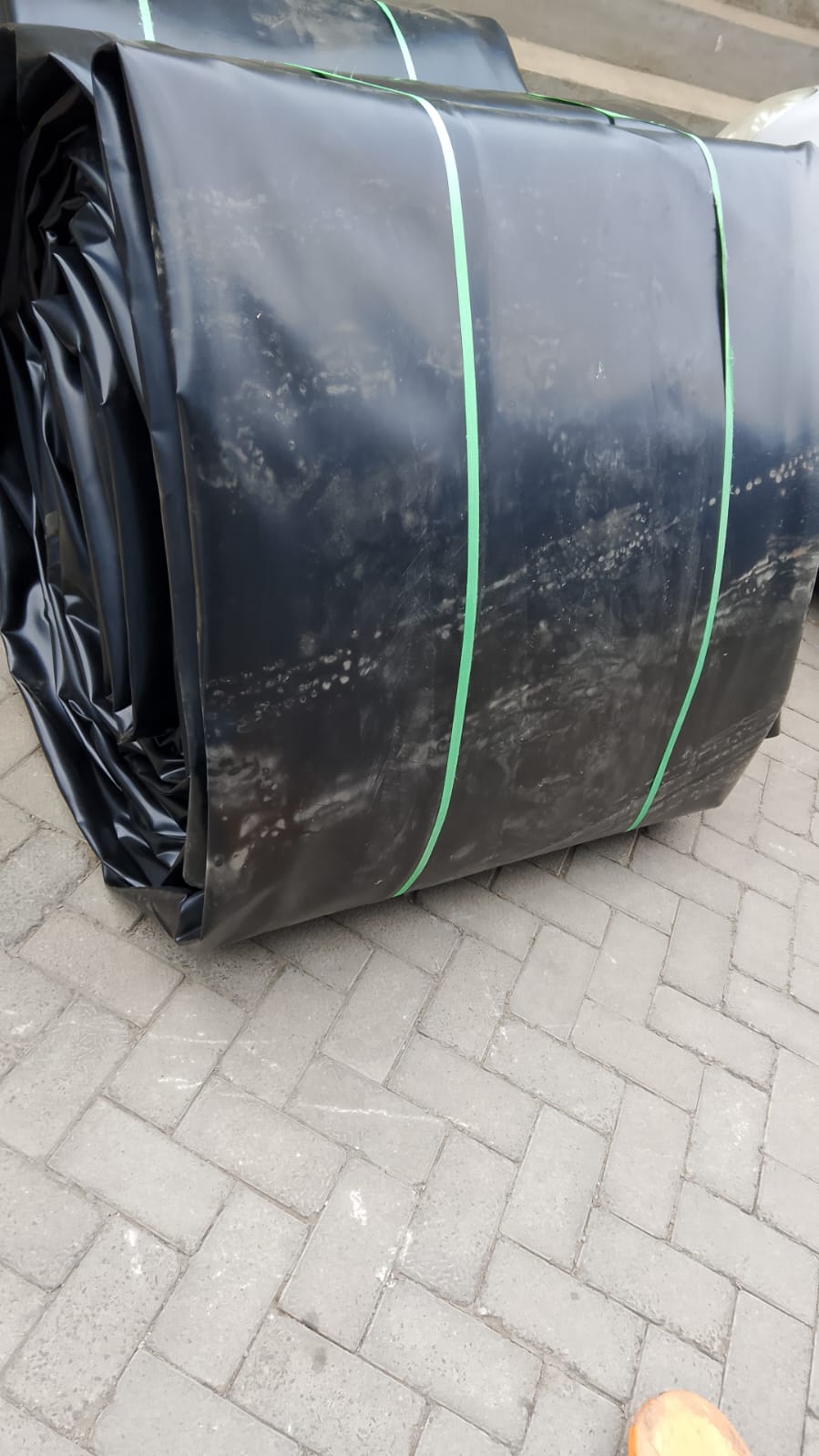
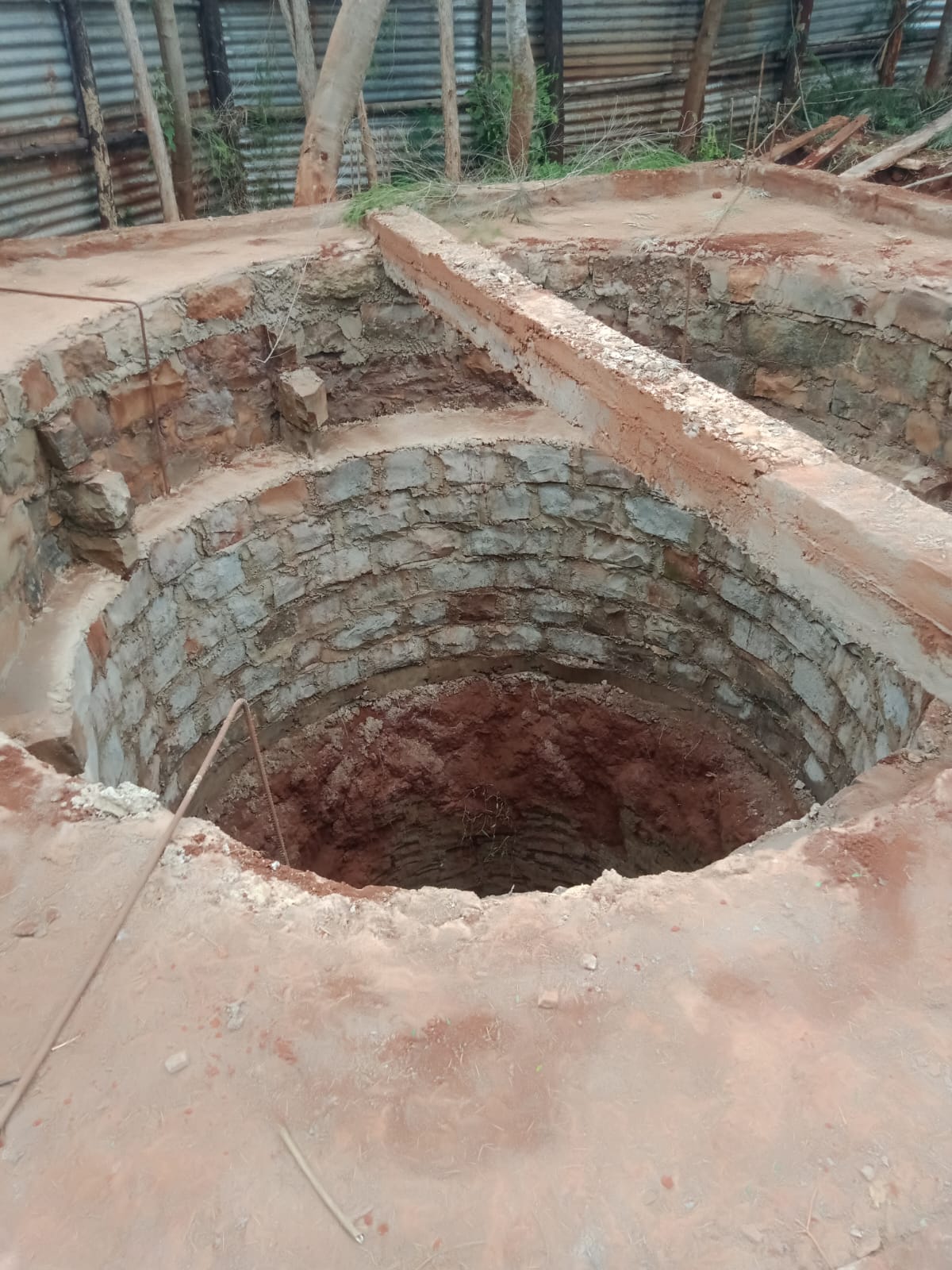 A dam liner, sometimes called a damliner or geomembrane, is a heavy-duty, flexible waterproof sheet installed inside an excavated water pan or dam. Typically manufactured from High-Density Polyethylene (HDPE), this impermeable barrier prevents water from seeping into the soil. Without a liner, unlined dams can lose up to half their water through seepage, particularly in sandy or porous soils. With a professionally installed liner, nearly every drop of harvested rainwater or borehole water is preserved for irrigation, livestock, aquaculture, or domestic use.
Why Professional Dam Liner Installation Matters
While purchasing a liner is the first step, installation quality determines whether your reservoir lasts for decades or fails within months. Poorly welded seams, inadequate anchoring, and wrinkles caused by improper deployment are the leading causes of liner failure. Professional dam liner installation in Kenya ensures your investment delivers maximum value.
Choosing the Right Thickness
Dam liner thickness is measured in millimetres, and choosing the correct gauge depends on your specific conditions:
-
0.5mm — Suitable for small, smooth-sided ponds with minimal pressure. Lifespan: 8-12 years
-
0.75mm — The most popular choice for general farm dams and irrigation reservoirs. Lifespan: 15-20 years
-
1.0mm — Heavy-duty applications, rocky terrain, and large commercial dams. Lifespan: Over 25 years
For surfaces containing sharp rocks, a geotextile underlay beneath the liner is strongly recommended to prevent punctures.
The Installation Process Step by Step
1. Excavation and Site Preparation
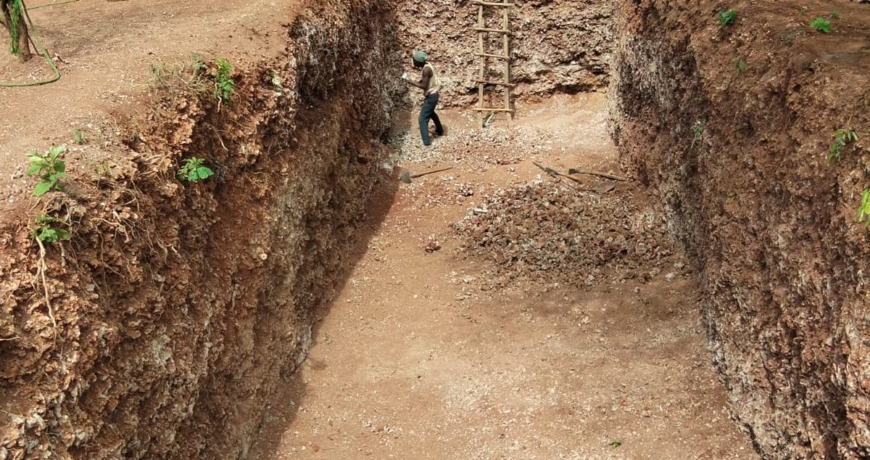
The water reservoir is excavated either manually or using machinery such as backhoe loaders and excavators. Side walls are sloped at an angle to prevent collapse. This stage often takes the longest time.
2. Smoothening the Base
All rocks, tree stumps, roots, and sharp objects must be removed from the floor and walls. Water is sometimes applied to soften the surface, and a roller may be used to compact and smooth it.
3. Creating Anchor Trenches
A trench is dug around the perimeter of the dam, typically 1 foot deep by 1 foot wide or 1.5 feet by 1.5 feet, depending on dam size and liner thickness. This trench holds the liner edges securely.
4. Liner Deployment and Welding
The liner is carefully unrolled across the prepared surface, taking the shape of the reservoir. For dams wider than standard liner rolls (typically 8 metres), panels must be joined using professional hot wedge welding equipment or heat guns. Welding involves melting the liner material at high temperatures to create a seal stronger than the liner itself.
5. Anchoring and Securing
Liner edges are tucked into the anchor trench and backfilled with compacted soil, preventing wind uplift and edge damage.
6. Filling and Inspection
The dam is slowly filled with water, allowing the weight to push the liner into the reservoir shape. Professionals conduct thorough visual inspections and seam testing to guarantee a leak-proof system before handover.
Dam Liner Prices in Kenya
Understanding costs helps with accurate budgeting. As of 2026, dam liner prices in Kenya range as follows:
| Thickness | Price per m² (Material) |
|---|---|
| 0.3mm | ~KES 200 |
| 0.5mm | ~KES 230 |
| 0.75mm | ~KES 330 |
| 1.0mm | ~KES 430 |
Installation costs typically add KES 100-300 per square metre. For a complete project, small-scale water pans (500-1,000 sqm) may cost between KES 90,000 and KES 220,000, while larger commercial reservoirs can exceed KES 1,200,000 depending on thickness and terrain complexity.
Why Choose a Utawala-Based Dam Liner Expert?
For residents in Utawala and across Nairobi’s eastern corridor, working with a local dam liner installation expert offers significant advantages. Local teams understand the region‘s soil conditions, can respond quickly for site assessments, and provide ongoing support after installation.
Namani Irrigation, based in Utawala, Nairobi, has built a reputation as a trusted partner for water storage solutions across Kenya. Their services include free site assessments with detailed measurements and soil analysis, customised proposals with transparent pricing, professional installation using certified technicians and industry-leading equipment, and post-installation support with maintenance training.
Connect With Us
Ready to secure your water future? Contact us today for a free, no-obligation site assessment and quotation.
Call or WhatsApp: 0797316959
Follow us on social media for water conservation tips, project showcases, and exclusive promotions:
Utawala Nairobi
There are no comments