
Common Greenhouse Problems in Kenya
5 Common Greenhouse Problems in Kenya
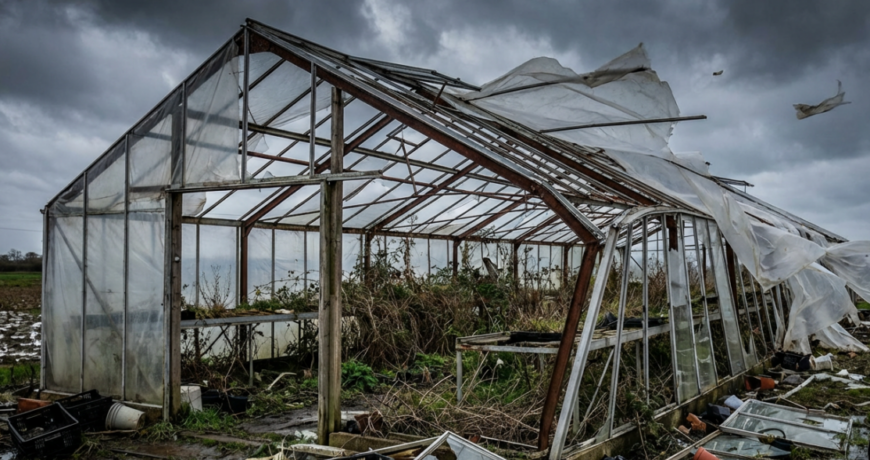
Picture this: You’ve invested hundreds of thousands of shillings into a new greenhouse structure. Three months later, strong winds tear through your farm, and you watch helplessly as your greenhouse frame buckles and the polythene shreds like paper. Or perhaps your tomatoes were thriving until suddenly, disease sweeps through the entire crop in days, turning your investment into a total loss. Maybe your plants are wilting despite daily watering, victims of suffocating heat and poor air circulation that you never anticipated.
These aren’t stories of bad luck. They’re predictable, preventable failures that happen when greenhouses are designed poorly or installed by inexperienced hands. Every week, Kenyan farmers contact us at Namani Irrigation after discovering that cutting corners on professional installation has cost them far more than they “saved.” The truth is harsh but liberating: most greenhouse problems in Kenya are engineering problems, not farming problems. When your greenhouse is professionally designed and installed from day one, these costly disasters simply don’t occur.
At Namani Irrigation, we don’t just build greenhouses. We engineer climate-controlled growing environments where structural resilience, optimal ventilation, efficient irrigation, and pest management are built into the foundation. Before the first pole is anchored, we’ve already eliminated the problems that destroy amateur installations.
Is your current or planned greenhouse built for long-term success? Contact our team today for a professional assessment: 0797 316 959 or visit namaniirrigation.co.ke
Problem 1: Structural Failure – When Your Greenhouse Can’t Stand Up to Kenyan Weather
Greenhouse structure collapse is one of the most devastating greenhouse problems in Kenya. Farmers invest significant capital, only to watch their structures twist, bend, or completely collapse during the first serious windstorm or heavy rain. The causes are always the same:
- Weak framing materials: Many installers use thin-gauge pipes or untreated timber that corrodes quickly or lacks the strength to handle wind loads and the weight of wet polythene.
- Improper anchoring: Shallow foundations or missing concrete footings mean the structure has no real grip on the ground when lateral forces hit.
- Poor engineering: No calculations for local wind speeds, no consideration for the specific site’s exposure, and no understanding of how forces distribute through a greenhouse frame.
The result? A structure that might look fine on a calm day but becomes a liability when Kenya’s unpredictable weather strikes. We’ve seen greenhouses in Kiambu, Naivasha, and Nakuru completely destroyed because the installer simply copied a design without understanding structural engineering.
Namani’s Solution: Built to Last, Engineered to Resist
At Namani Irrigation, structural integrity isn’t negotiable. Here’s how we prevent collapse before it can happen:
Galvanized Steel (GI) Frame Construction: We exclusively use heavy-duty galvanized steel tubing for all our greenhouse frames. GI steel resists corrosion from Kenya’s humid conditions and has the structural strength to handle high wind loads and the weight of hanging crops.
Site-Specific Engineering: Our team conducts thorough site assessments, analyzing wind exposure, terrain, and soil conditions. We don’t use one-size-fits-all designs. Your greenhouse structure is engineered specifically for your location’s challenges.
Professional Foundation & Anchoring: Every frame is anchored with properly sized concrete footings at depths calculated for stability. Cross-bracing and diagonal supports are positioned based on engineering principles, not guesswork.
Proven Track Record: Our greenhouses in Rift Valley, Central Kenya, and beyond have withstood years of seasonal winds and heavy rains without a single structural failure.
Don’t gamble with structural integrity. Get a free structural audit of your existing greenhouse or let us design your new one right from the start. Call 0797 316 959 or WhatsApp us today.
Problem 2: Poor Ventilation & Overheating – The Silent Crop Killer
Greenhouse ventilation problems are among the leading causes of crop failure in Kenya. Inside a poorly ventilated greenhouse, temperatures can soar to 45-50°C on a sunny day, literally cooking your plants alive. The symptoms are unmistakable:
- Wilting plants despite adequate water
- Scorched or bleached leaves
- Stunted growth and flower drop
- Increased pest activity as stressed plants become vulnerable
- Explosive fungal and bacterial growth in stagnant, humid air
Why does this happen? Most amateur installations drastically underestimate ventilation needs. They install tiny windows, orient the structure incorrectly (trapping hot air), or skip shade nets entirely. In Kenya’s equatorial climate, these mistakes are fatal.
Namani’s Solution: Climate Control by Design
Effective ventilation isn’t an afterthought at Namani Irrigation. It’s built into every greenhouse from the engineering phase:
Calculated Vent Sizing: We calculate the exact vent area needed based on your greenhouse size, crop type, and location’s climate data. Our standard designs include generous roof vents and full-length side roll-up vents that create cross-ventilation and natural airflow.
Strategic Orientation: We position your greenhouse to take advantage of prevailing winds while minimizing direct afternoon sun exposure on gable ends. Orientation matters enormously in Kenya’s intense sun.
Integrated Shade Systems: For crops sensitive to heat stress (like lettuce, herbs, and flowers), we integrate shade net installations (30-50% shade) that reduce internal temperatures by up to 10°C while maintaining adequate light.
Ventilation Automation Options: For larger commercial operations, we design systems ready for automated vent openers and exhaust fans that maintain optimal temperatures without constant manual adjustment.
The result? A greenhouse environment where temperatures stay within the optimal growing range, humidity is controlled, and your plants thrive instead of merely surviving.
Struggling with heat stress in your greenhouse? Our ventilation solutions can be retrofitted or built into new installations. Contact us at 0797 316 959 or visit namaniirrigation.co.ke for a climate control assessment.
Problem 3: Inefficient Irrigation & Waterlogging – The Water Paradox
One of the most frustrating greenhouse problems in Kenya is getting irrigation wrong. Farmers find themselves trapped in a paradox: parts of the greenhouse are too dry while other sections are waterlogged. Plants in one row thrive while identical plants three meters away struggle. Root rot spreads because water pools at low points, yet some plants show drought stress.
The causes of inefficient greenhouse irrigation include:
- Uneven water distribution: Drip lines installed without pressure regulation or proper spacing
- Wrong emitter selection: Using high-flow emitters in heavy soils or low-flow in sandy soils
- Poor drainage planning: No slope design or drainage channels, leading to standing water
- Inadequate filtration: Clogged emitters from dirty water, causing random dry spots
Many installers simply lay drip lines on the ground without understanding hydraulics, soil infiltration rates, or crop water requirements. The result is wasted water, wasted fertilizer, and wasted potential.
Namani’s Solution: Precision Irrigation Engineering
At Namani Irrigation, our name says it all. Water management is our core expertise, and we design drip irrigation systems that deliver exactly what your crop needs, exactly where it needs it:
Custom System Design: We calculate your crop’s water requirements, analyze your water source quality and pressure, and design a zoned irrigation system with proper mainline sizing and pressure regulation.
Professional Emitter Selection & Spacing: Based on your soil type and crop spacing, we select the right emitter flow rates and install drip lines at precise intervals. Every plant receives uniform water application.
Integrated Drainage Solutions: During site preparation, we ensure proper greenhouse floor slope (minimum 1-2%) and install drainage channels or French drains where needed. Water never pools in a Namani greenhouse.
Filtration & Fertigation Integration: We install appropriate filtration systems (screen or disc filters) to prevent clogging and can integrate venturi injectors or fertilizer tanks for precise nutrient delivery through your drip system.
Water Efficiency: Our systems typically reduce water consumption by 40-60% compared to overhead watering while improving crop uniformity and yield.
When irrigation is engineered correctly, you eliminate one of the biggest variables in greenhouse farming. Your plants receive consistent moisture, roots develop properly, and you gain complete control over your growing environment.
Ready to fix your irrigation headaches? Whether you need a complete system installation or an upgrade to your existing setup, call 0797 316 959 or WhatsApp for a free irrigation assessment.
Problem 4: Pest & Disease Explosions – When “Protection” Fails to Protect
One of the cruelest ironies in greenhouse farming is investing in a protected structure only to watch pests and diseases spread faster than they ever did in open fields. Greenhouse pests in Kenya—including whiteflies, aphids, thrips, spider mites, and fungal diseases like powdery mildew and damping-off—can explode in population overnight when conditions favor them.
Why do greenhouses sometimes amplify pest problems instead of preventing them?
- Poor insect netting: Cheap netting with holes too large to exclude thrips and whiteflies, or no netting at all on vents and doors
- Excessive humidity: Poor ventilation and overhead watering create the perfect environment for fungal and bacterial diseases
- No sanitation design: Inadequate spacing between rows, no designated cleaning zones, and no consideration for biosecurity measures
- Stressed plants: All the previous problems (heat stress, water stress, poor ventilation) weaken plants and make them pest magnets
A greenhouse should be a fortress against pests. When it becomes a breeding ground instead, it’s a design failure.
Namani’s Solution: Integrated Pest Prevention by Design
At Namani Irrigation, we don’t just react to pests—we design them out of the equation from day one:
Professional Insect Net Installation: We install high-quality, fine-mesh insect netting (50-mesh minimum) on all ventilation openings and entry points. Our netting excludes even tiny pests like thrips while maintaining airflow. Double-door entry systems create an airlock that prevents pest entry during daily operations.
Disease-Preventive Irrigation: Because we install drip irrigation instead of overhead systems, plant foliage stays dry. This single factor dramatically reduces fungal and bacterial disease pressure. Dry leaves equal healthy plants.
Hygiene-Friendly Layout: We design adequate row spacing for air circulation and easy access for monitoring and sanitation. We advise on footbath placement, tool cleaning stations, and waste disposal zones as part of the installation.
Climate Control for Disease Prevention: Proper ventilation (Problem 2’s solution) keeps humidity levels below the threshold where most fungal diseases thrive. When you control the environment, you control disease pressure.
Ongoing Advisory Support: We provide guidance on integrated pest management (IPM) protocols, beneficial insect release timing, and monitoring strategies tailored to your crop.
The result? A greenhouse where pest and disease management is proactive, not reactive. You spend less on chemicals, lose less crop, and enjoy the protection your greenhouse was supposed to provide.
Battling recurring pest or disease problems in your greenhouse? The solution might be structural and environmental, not chemical. Contact Namani Irrigation at 0797 316 959 for an integrated pest prevention assessment.
Problem 5: Rapid Polythene Degradation & Tearing – When Your Cover Fails
Quality greenhouse polythene should last 3-5 years minimum in Kenya’s intense UV environment. Yet many farmers find themselves replacing torn, brittle, or degraded polythene after just 6-12 months. This isn’t just an inconvenience—it’s a massive recurring cost that destroys the economics of greenhouse farming.
Why is my greenhouse polythene degrading so fast?
- Low-quality, non-UV-treated film: Many suppliers sell cheap agricultural plastic that’s never been formulated for UV resistance. Under Kenya’s equatorial sun, it becomes brittle and cracks within months.
- Poor installation tension: Loose polythene flaps in the wind, creating stress points that tear. Overtight polythene stretches and thins. Correct tensioning is a skill most installers lack.
- Wrong fastening methods: Using nails, staples, or wire that punctures the film creates tear initiation points. Improper overlap at seams allows wind to catch edges.
- No maintenance planning: Even good polythene needs adjustment after installation as it settles. Amateur installers don’t return to retension the film.
When you’re replacing polythene yearly, you’re not saving money with that “cheaper” greenhouse—you’re hemorrhaging it.
Namani’s Solution: Premium Materials, Expert Installation
Polythene longevity starts with material selection and is guaranteed by installation expertise:
UV-Stabilized Greenhouse Film: We supply only premium-grade, UV-treated greenhouse polythene specifically manufactured for agricultural use in high-UV environments. Our standard film is rated for 4-5 years of service life with proper care.
Professional Stretching & Tensioning: Our installation teams are trained in proper film tensioning techniques. We stretch the polythene to the exact tension that prevents flapping without over-stressing the material. We know how film behaves in heat and adjust accordingly.
Proper Fastening Systems: We use specialized greenhouse clips, anti-hot spot tapes, and appropriate fastening methods that secure the film without puncturing or creating stress concentration points. All seams are properly overlapped and sealed.
Post-Installation Service: We return after 2-3 weeks to inspect and retension the film as it settles into place. This critical step, which amateur installers skip, extends film life significantly.
Warranty Confidence: Because we trust our materials and installation quality, we back them with clear warranties. You know exactly what to expect from your investment.
The cost difference between premium UV-stabilized polythene professionally installed and cheap film badly installed disappears in year two—when ours is still performing and the cheap option is being replaced.
Tired of replacing greenhouse polythene every year? Invest in quality and expertise that lasts. Call 0797 316 959 or visit namaniirrigation.co.ke to discuss premium polythene options and professional installation.
The Proactive Investment: Why Professional Design Beats Costly Repairs
Let’s talk about the real economics of greenhouse farming in Kenya.
An amateur or DIY greenhouse installation might cost 30-40% less upfront than hiring Namani Irrigation. That sounds like savings until you run the numbers over two years:
The Hidden Costs of Cheap Installation:
- Polythene replacement after 1 year: Ksh 80,000 – 150,000 (depending on size)
- Crop loss from overheating or poor ventilation: 20-50% yield reduction = hundreds of thousands in lost revenue
- Structural repairs or rebuilding after wind damage: Ksh 100,000 – 300,000+
- Water waste and inefficient irrigation: 40% higher water costs, uneven crop quality
- Pest and disease outbreaks: Emergency pesticide costs, labor costs, crop write-offs
- Time and stress managing constant problems instead of growing your business
Total hidden cost over 2 years: Ksh 500,000 – 1,000,000+ for a typical 8m x 30m greenhouse
Now compare that to working with Namani Irrigation from day one:
The Value of Professional Design & Installation:
- One-time investment in properly engineered structure and systems
- Minimal maintenance costs (film lasts 4-5 years, structure lasts 10+ years)
- Optimal yields from day one (no crop loss from environmental stress)
- Water and input efficiency (lower operating costs every season)
- Peace of mind and time to focus on farming, not fixing infrastructure
- Resale value: A professionally installed greenhouse maintains asset value
The math is simple: Professional installation doesn’t cost more—it costs less. You’re not paying extra for expertise; you’re avoiding the massive costs of fixing preventable problems.
At Namani Irrigation, we’re not the cheapest option. We’re the smartest investment. Every greenhouse we install is an asset that performs reliably, season after season, year after year. Our clients aren’t dealing with the five common greenhouse problems in Kenya we’ve discussed because we engineered them out before construction began.
Ready to invest in a greenhouse that works from day one? Schedule a consultation with our design team. We’ll assess your site, understand your crops and goals, and provide a detailed proposal for a greenhouse that eliminates these problems before they can start. Call 0797 316 959 or visit namaniirrigation.co.ke
Build It Right the First Time with Namani Irrigation
Greenhouse farming in Kenya has extraordinary potential. The climate is ideal, the market demand is growing, and the returns can be exceptional. But only if your greenhouse actually works as intended.
The five greenhouse problems we’ve covered—structural failure, poor ventilation, inefficient irrigation, pest explosions, and rapid polythene degradation—are not inevitable. They’re the predictable results of poor planning and inexperienced installation. They’re also completely preventable when you work with professionals who understand both engineering and agriculture.
At Namani Irrigation, we’ve spent years perfecting greenhouse design and installation for Kenya’s unique conditions. We understand the wind patterns in Naivasha, the heat challenges in Machakos, the soil variations in Kiambu, and the pest pressure in every region. We bring this knowledge to every project, ensuring your greenhouse is not just built but engineered for success.
What you get with Namani Irrigation:
- Free site assessment and consultation
- Custom greenhouse design based on your crop, location, and budget
- Professional installation by experienced teams
- Premium materials with clear warranties
- Integrated irrigation system design and installation
- Ongoing support and maintenance advice
- A greenhouse that becomes a profitable asset, not a constant headache
Don’t learn these expensive lessons the hard way. Whether you’re planning your first greenhouse or looking to fix problems with an existing structure, we’re here to help.
Contact Namani Irrigation Today
Phone/WhatsApp: 0797 316 959
Website: namaniirrigation.co.ke
Location: Utawala – Nairobi, Kenya (We serve clients nationwide)
Follow us for greenhouse tips, project showcases, and farming insights:
Facebook: Namani Irrigation
Instagram: @namaniirrigation
TikTok: @namaniirrigation
Get started today: Call us for a free consultation and site assessment. Let’s build a greenhouse that solves problems instead of creating them.
There are no comments


