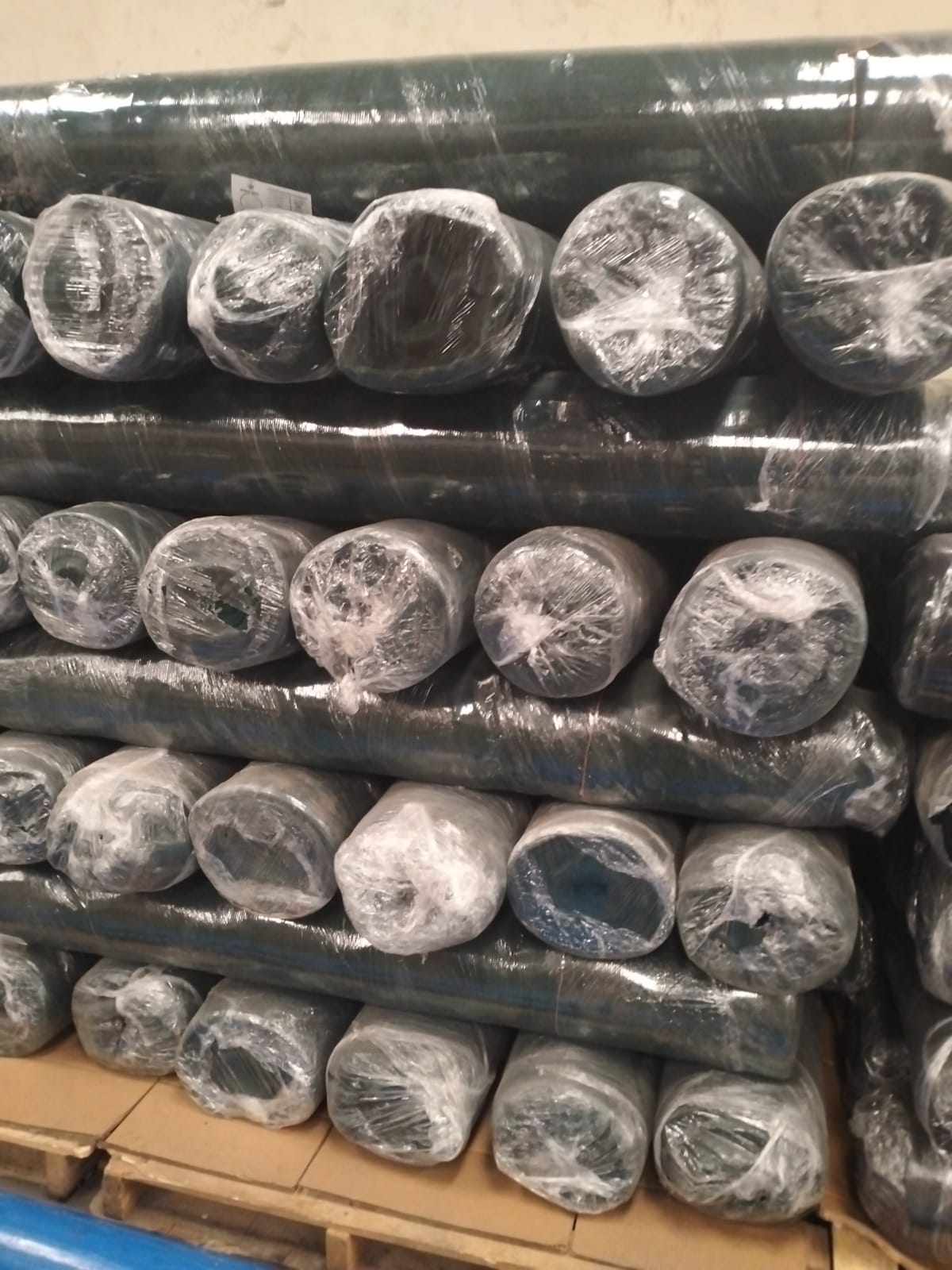
Dam Liner Cost in Kenya 2026
Dam Liner Cost in Kenya 2026: Your Complete Investment Guide
Are you planning a water storage project but worried about unpredictable costs? Whether you’re a commercial farmer needing reliable irrigation water storage, a fish farmer preparing your first pond, or a landowner developing reservoir infrastructure, understanding dam liner costs in Kenya is your first step toward a successful investment. At Namani Irrigation, we’ve helped hundreds of Kenyan farmers and agricultural enterprises transform their water management challenges into profitable opportunities. This guide breaks down everything affecting dam liner prices—so you can budget wisely and choose the right solution for your specific needs.
Understanding Dam Liner Pricing in Kenya
The dam liner cost Kenya typically ranges from KES 180 to KES 450 per square meter, depending on several critical factors. However, this figure alone doesn’t tell the complete story.
Many project managers make the costly mistake of focusing solely on material prices. In reality, your total investment encompasses material quality, professional installation, site-specific requirements, and long-term durability. Therefore, smart buyers evaluate the complete value proposition rather than just upfront costs.
Moreover, choosing the wrong liner specification can lead to devastating failures. Consequently, partnering with experienced specialists like Namani Irrigation ensures your investment delivers decades of reliable service.
Key Factors Influencing Dam Liner Cost in Kenya
1. Liner Material Type: HDPE, LLDPE, and PVC Compared
Different materials serve different purposes. Thus, understanding their characteristics helps you make informed decisions.
HDPE (High-Density Polyethylene) Liners represent the gold standard for water storage. These liners offer exceptional chemical resistance, UV stability, and mechanical strength. Additionally, HDPE liners typically last 20-30 years with proper installation. The dam liner price Kenya for premium HDPE ranges from KES 350-450 per square meter. Most importantly, they’re ideal for large-scale agricultural reservoirs and commercial irrigation projects.
LLDPE (Linear Low-Density Polyethylene) Liners provide excellent flexibility and puncture resistance. They adapt well to uneven terrain and withstand ground settlement better than rigid alternatives. Furthermore, LLDPE offers competitive pricing at KES 250-350 per square meter. Fish farmers particularly appreciate LLDPE for aquaculture applications because it’s fish-safe and highly durable.
PVC Liners deliver budget-friendly solutions for smaller projects. While less durable than polyethylene options, reinforced PVC works well for temporary storage or ornamental ponds. Prices start from KES 180-280 per square meter. However, PVC typically requires replacement within 10-15 years.
2. Liner Thickness and Project Scale
Thickness directly impacts both performance and cost. Consequently, selecting appropriate thickness prevents both overspending and underperformance.
Standard thickness options include:
- 0.5mm liners: Suitable for small garden ponds and temporary applications (KES 230-240/m²)
- 0.75mm liners: Ideal for medium-sized fish ponds and farm dams (KES 330-340/m²)
- 1.0mm liners: Recommended for large irrigation reservoirs and commercial operations (KES 430-440/m²)
Project scale significantly affects water tank liner prices through volume discounts. For instance, a 1000m² project receives better per-meter pricing than a 100m² installation. Additionally, larger projects allow better logistical efficiency.
At Namani Irrigation, our experts conduct thorough site assessments to recommend optimal thickness based on your soil conditions, water depth, and intended use.
3. Professional Site Preparation and Installation Services
Many buyers underestimate installation’s impact on total investment. Nevertheless, professional installation protects your entire investment.
Site preparation includes:
- Excavation and leveling to precise specifications
- Removal of sharp objects, roots, and debris
- Installation of protective underlay or geotextile fabric
- Proper anchoring and edge securing
Professional installation from certified specialists like Namani Irrigation typically adds KES 50-100 per square meter. However, this investment prevents catastrophic failures that could cost 3-5 times more in repairs and lost productivity.
Furthermore, amateur installation voids most manufacturer warranties. Therefore, professional services actually reduce long-term risk and total cost of ownership.
4. Geographic Location and Transportation Logistics
Your project location affects the final dam liner cost Kenya through transportation and accessibility factors.
Projects in Nairobi, Kiambu, Machakos, and other central regions benefit from competitive logistics. Conversely, remote locations in Turkana, Marsabit, or coastal areas incur additional transportation costs ranging from KES 20-80 per square meter.
Additionally, site accessibility matters significantly. Projects requiring specialized equipment for material delivery increase overall costs. However, Namani Irrigation’s extensive distribution network across Kenya minimizes these regional price variations.
5. Additional Components and Accessories
Complete water storage solutions require more than just liner material. Thus, budget for essential accessories:
- Geotextile underlay: Protects liner from punctures (KES 60-120/m²)
- Pipe penetrations and fittings: For inlet/outlet systems (KES 8,000-25,000)
- Anchor trenches and edge treatment: Ensures secure installation (included in professional service)
- Repair kits and maintenance supplies: For long-term care (KES 3,500-8,000)
Professional suppliers like Namani Irrigation provide comprehensive packages including all necessary components, eliminating costly surprises mid-project.
Why Quality Matters: The True Cost of Cheap Liners
Bargain-hunting often backfires in geosynthetic liner selection. Indeed, substandard products create expensive problems:
Common issues with low-quality liners include:
- Premature degradation under UV exposure (failure within 3-5 years)
- Seam failures causing catastrophic water loss
- Chemical leaching affecting water quality and fish health
- Puncture vulnerability during installation and use
Therefore, investing in certified, high-quality materials from reputable suppliers protects your project investment. Moreover, quality liners from Namani Irrigation come with comprehensive warranties and technical support.
Getting the Best Value: Smart Buying Strategies
Work with Specialized Suppliers
General hardware stores rarely stock professional-grade liners or provide expert guidance. Instead, specialized irrigation companies offer superior value through:
- Custom fabrication reducing seams and weak points
- Professional site assessment and design services
- Installation training or full-service installation
- After-sales support and maintenance guidance
- Warranty coverage and quality guarantees
Namani Irrigation has built our reputation on delivering complete solutions, not just products. Our clients appreciate our end-to-end project management approach.
Request Detailed, Itemized Quotations
Comprehensive quotes prevent budget overruns. Therefore, insist on detailed breakdowns covering:
- Material specifications and pricing per square meter
- Installation labor and timeline
- Site preparation requirements
- Transportation and delivery costs
- Accessories and fittings
- Warranty terms and conditions
This transparency allows accurate comparisons and informed decision-making. Additionally, it establishes clear expectations preventing disputes later.
Consider Total Cost of Ownership
Evaluate your investment over the liner’s entire lifespan. Consequently, a premium liner costing 30% more upfront but lasting twice as long delivers superior value.
Calculate total costs including:
- Initial purchase and installation
- Expected lifespan before replacement
- Maintenance requirements and costs
- Water loss prevention and efficiency gains
- Warranty coverage and replacement risk
This holistic approach reveals that quality solutions from Namani Irrigation actually reduce costs over time.
Real-World Applications: Dam Liner Investment Examples
Small-scale fish farming (200m² pond, 0.75mm HDPE): Investment approximately KES 90,000-110,000 including installation.
Medium irrigation reservoir (500m² dam, 1.0mm HDPE): Total project cost KES 250,000-320,000 with professional installation.
Large commercial water storage (2000m² reservoir, 1.0mm HDPE): Investment range KES 850,000-1,100,000 for complete turnkey solution.
These examples demonstrate how project scale, material selection, and service level affect overall investment. Furthermore, they highlight the importance of expert consultation.
Take the Next Step: Get Your Custom Quote Today
Understanding dam liner cost Kenya empowers better decision-making. However, every project has unique requirements deserving personalized attention.
Ready to transform your water storage vision into reality? Contact Namani Irrigation today for a free, no-obligation site assessment and customized quotation. Our irrigation specialists will evaluate your specific needs, recommend optimal solutions, and provide transparent pricing.
Reach out now:
- Visit our offices: Find us on Google Maps
- Call/WhatsApp consultation: Message us at +254 797 316 959
- Browse our projects: Follow us on Instagram
- Watch installations: See our work on TikTok
- Connect on Facebook: Join our community
Don’t let water scarcity limit your agricultural potential. Partner with Kenya’s trusted irrigation specialists and invest in solutions that deliver lasting value. Your successful water storage project starts with the right partner—Namani Irrigation is ready to help you succeed.
There are no comments